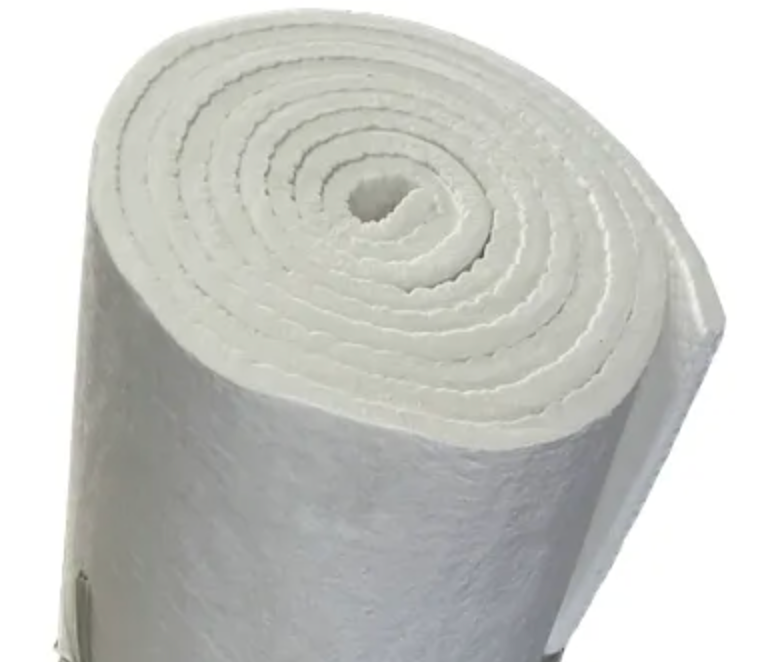
Buy good quality high R Value low price Insulation for Pipes made of Fire Resistant Insulation Inorganic Mineral Fibers at Wedge India for cold and hot insulation.
Pipe insulation is essential for maintaining energy efficiency, preventing freezing, reducing condensation, and protecting pipes from extreme temperatures. There are various types of insulation materials designed specifically for pipes, each with its unique properties suited to different applications. Here’s an overview of the most common types of pipe insulation:
Types of Pipe Insulation
1. Foam Insulation (Polyethylene Foam)
• Properties: Lightweight, flexible, and easy to install. It has a closed-cell structure, which makes it an effective barrier against moisture and air.
• Temperature Range: Suitable for moderate temperature ranges, typically up to 100°C (212°F).
• Applications: Ideal for residential plumbing, air conditioning, and refrigeration pipes. Not suitable for high-temperature applications.
• Benefits: Provides excellent thermal insulation, reduces heat loss, and prevents condensation.
2. Rubber Insulation (Elastomeric Foam)
• Properties: Flexible, durable, and resistant to UV rays, ozone, and moisture. Can expand and contract with temperature changes without cracking.
• Temperature Range: Suitable for temperatures up to 120°C (248°F).
• Applications: Used in both hot and cold applications, including HVAC systems, refrigeration, and chilled water pipes.
• Benefits: Good for outdoor applications due to UV resistance; excellent moisture and vapor resistance.
3. Fiberglass Insulation
• Properties: Made from glass fibers and usually includes an outer vapor barrier. It offers high thermal resistance and is non-combustible.
• Temperature Range: Can handle temperatures from -20°C to 650°C (-4°F to 1,200°F), depending on the specific type.
• Applications: Commonly used in industrial settings for high-temperature pipes, such as steam and hot water pipes.
• Benefits: Effective for both high and low-temperature applications; excellent fire resistance.
4. Mineral Wool (Rock Wool)
• Properties: Made from natural stone fibers, it is resistant to fire, water, and mold. It provides excellent sound and thermal insulation.
• Temperature Range: Can withstand temperatures up to 1,000°C (1,832°F).
• Applications: Used in industrial applications where high fire resistance is required, such as steam pipes and equipment in power plants.
• Benefits: High fire resistance, good thermal performance, and soundproofing qualities.
5. Polyurethane Foam
• Properties: Rigid foam with excellent thermal insulation properties, often used in pre-insulated pipes.
• Temperature Range: Suitable for low to moderate temperature ranges.
• Applications: Commonly used in underground piping, district heating, and cooling systems.
• Benefits: High insulating value with a low profile, making it ideal for space-constrained applications.
6. Aerogel Insulation
• Properties: Extremely light, low-density material with exceptional insulating properties. It is often available in blanket form, which is wrapped around pipes.
• Temperature Range: Suitable for a wide range of temperatures, including cryogenic conditions.
• Applications: Used in high-tech applications like aerospace, oil and gas industries, and other places where space and weight are critical factors.
• Benefits: Offers the highest insulating performance with the thinnest profile.
Choosing the Right Insulation
When selecting pipe insulation, consider the following factors:
• Temperature Range: Match the insulation material to the operating temperature of the pipe.
• Environmental Conditions: Consider exposure to moisture, UV light, and chemicals.
• Fire Resistance: Important in applications where fire safety is a concern.
• Ease of Installation: Some materials are more flexible and easier to install than others.
• Cost: Balance the performance with the budget; higher-performance materials may have a higher initial cost but offer long-term savings.
Each type of insulation has its strengths and best-use scenarios, so selecting the right one depends on the specific needs of your piping system.