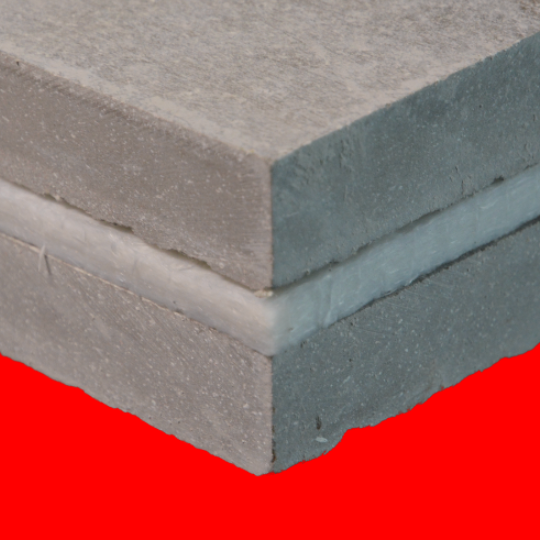
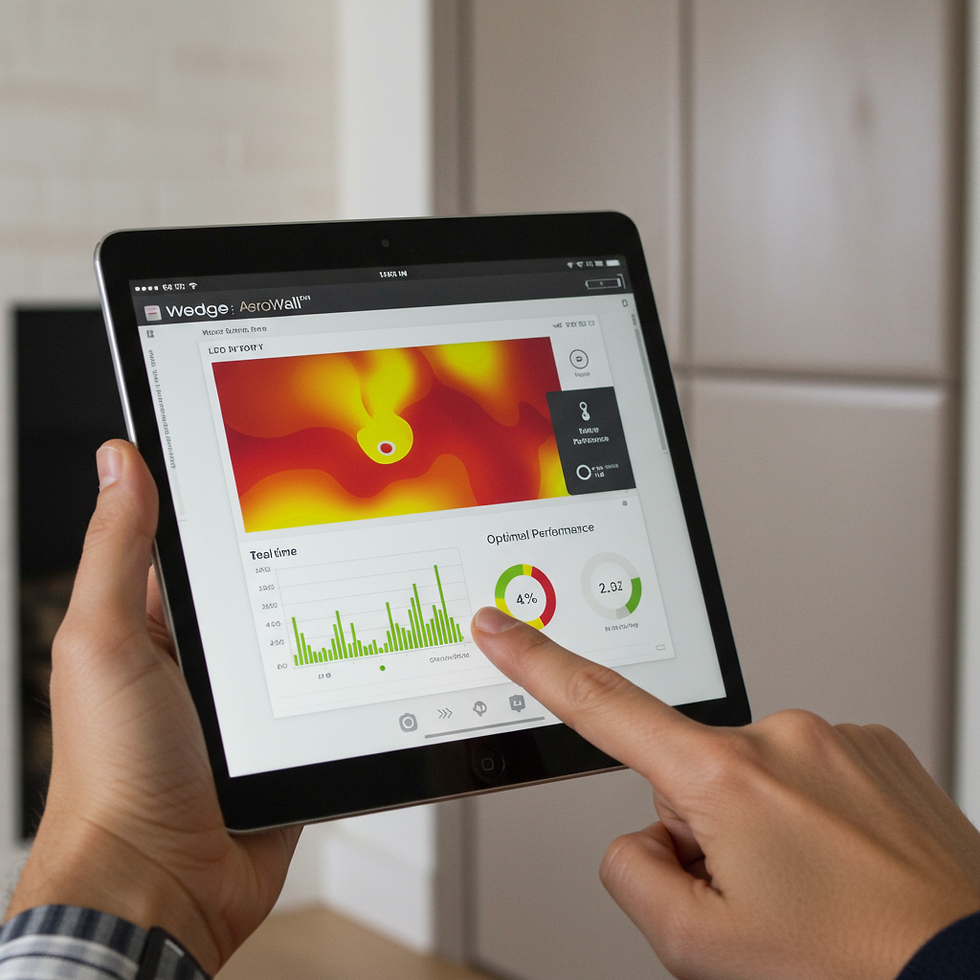
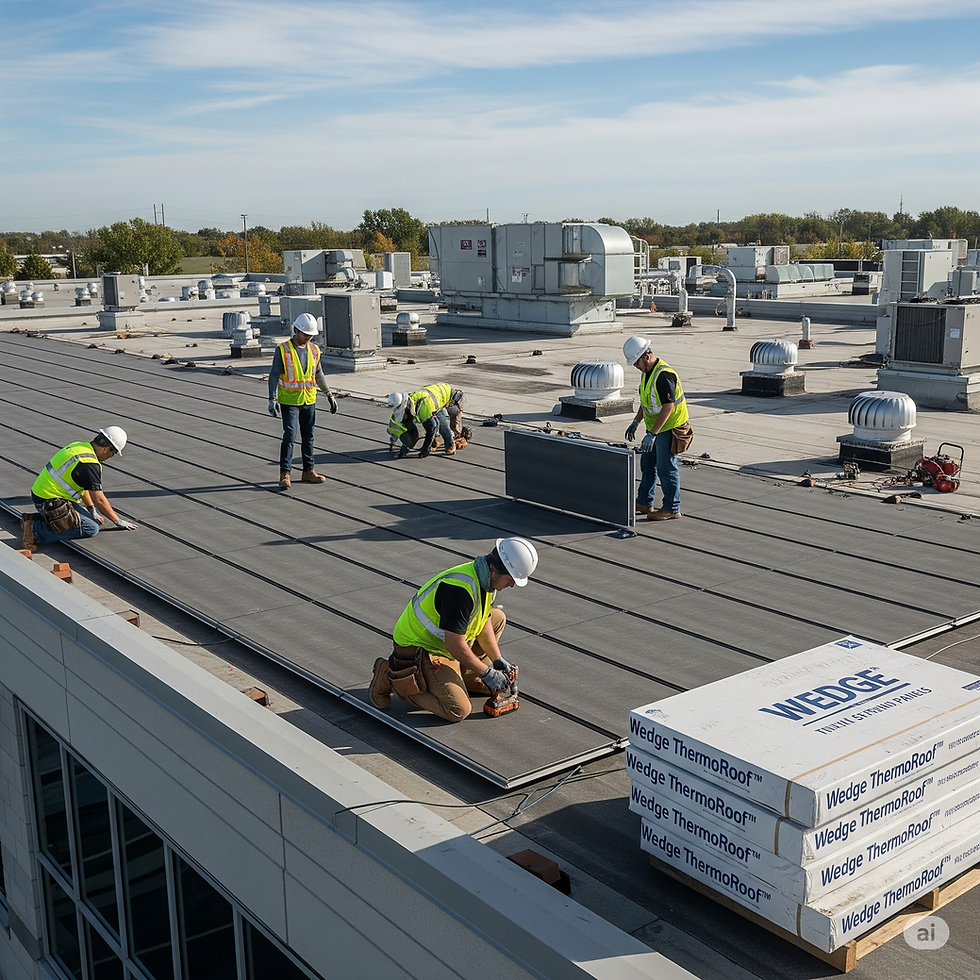
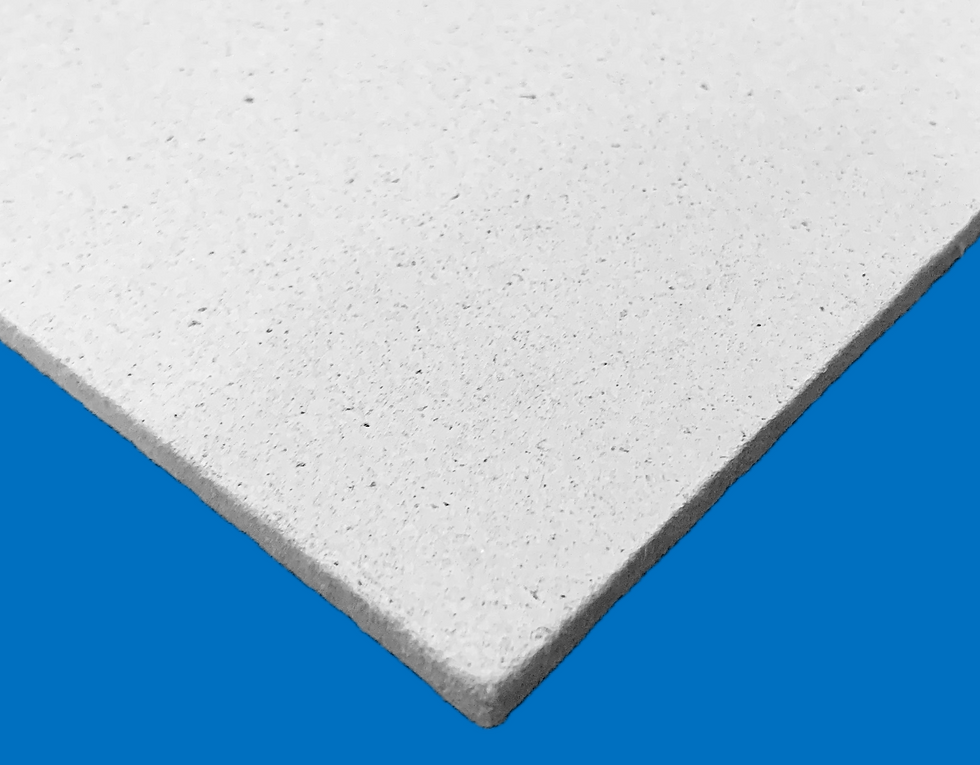
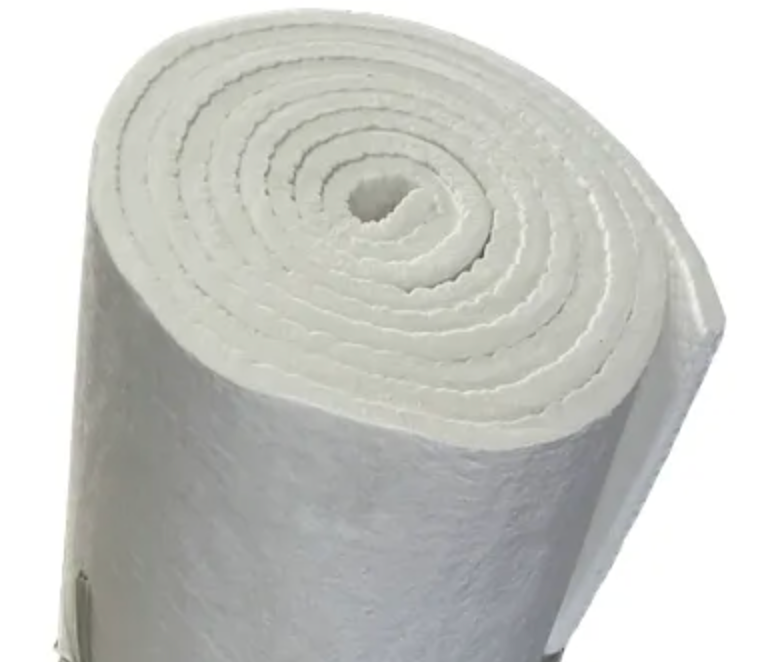
Buy good quality Retrofit wall thermal insulation with high R Value, low price Fire proof Insulation at Wedge India to reduce thermal bridging, enhances energy efficiency, and helps maintain a comfortable indoor environment.
Retrofit wall thermal insulation involves upgrading the thermal performance of existing walls in a building to improve energy efficiency, reduce heat loss or gain, and enhance indoor comfort. This process is especially valuable in older buildings that lack modern insulation. Here’s a detailed overview:
Types of Retrofit Wall Insulation
External Wall Insulation
Process: Insulation is applied to the outside of the walls, covered with a weatherproof layer like render or cladding.
Advantages:
Does not reduce internal space.
Improves exterior aesthetics and weatherproofing.
Materials Used:
- Expanded Polystyrene (EPS)
- Mineral Wool
- Rigid Foam Panels
Internal Wall Insulation
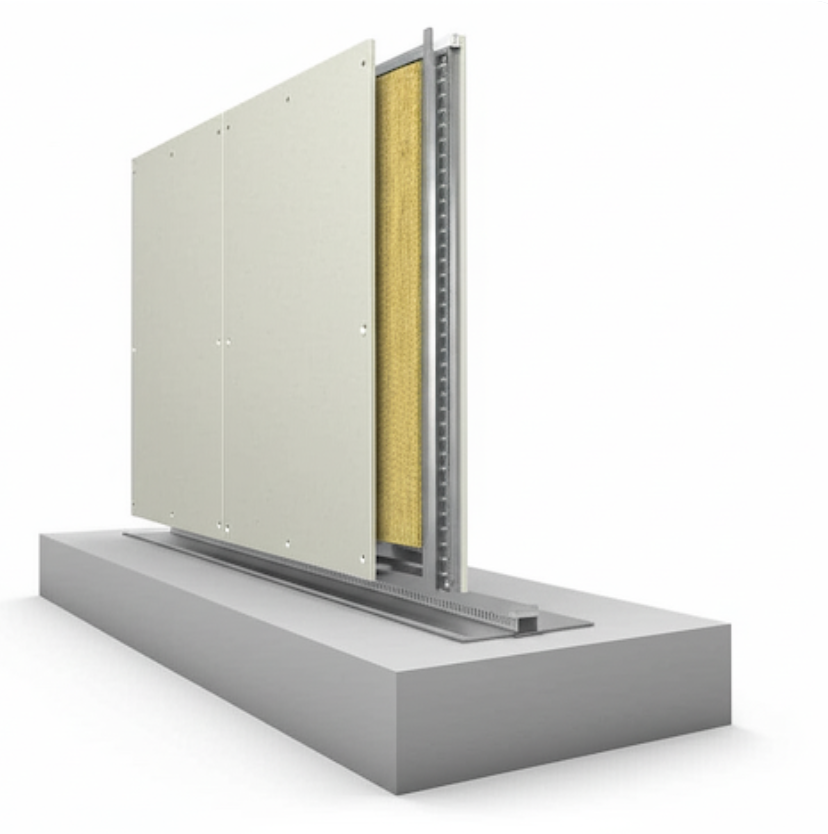
Process: Insulation is applied to the interior side of walls, usually with insulating boards or battens filled with insulation.
Advantages:
- Avoids altering the building's exterior appearance.
- Suitable for historical or listed buildings.
Materials Used:
- PIR Boards
- Plasterboard with insulation backing
- Fiberglass Batts
Cavity Wall Insulation (If applicable)
- Process: Insulation material is injected into the cavity between the inner and outer walls.
Advantages:
- Minimal disruption during installation.
- Cost-effective and efficient.
Materials Used:
- Blown Mineral Wool
- Polystyrene Beads
- Foam Insulation
Benefits of Retrofit Wall Insulation
Energy Efficiency: Reduces heating and cooling costs by minimizing thermal bridging.
Thermal Comfort: Maintains consistent indoor temperatures.
Noise Reduction: Enhances soundproofing of the building.
Sustainability: Decreases carbon footprint by reducing energy consumption.
Property Value: Enhances resale value due to improved energy performance.
Installation Considerations
Building Assessment: Evaluate wall type (solid, cavity, or other) to choose the right insulation method.
Moisture Management: Ensure adequate ventilation to avoid dampness or condensation.
Cost and Grants: Investigate potential government incentives or grants for energy efficiency upgrades.
Aesthetic Impact: External insulation may require planning permission, especially for listed buildings.
Thermal Bridging: Address areas like wall junctions to prevent heat loss.