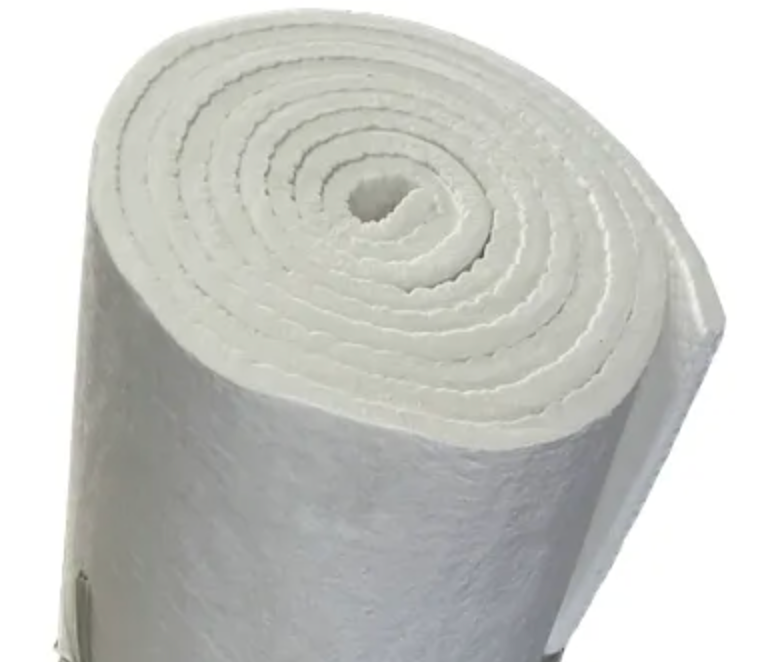
Get best Insulation Services for Reducing Heat Loss in House to find and select most suitable insulation materials for your use. Heat Insulation made of Fire Resistant Insulation Inorganic Mineral Fibers at Wedge India for walls, roofs, tank, foundations, floors cold and hot insulation.
Reducing heat loss in a house is essential for improving energy efficiency, lowering utility bills, and maintaining comfort. Heat typically escapes through various parts of the house, such as walls, windows, doors, roofs, and floors. By addressing these areas, you can significantly reduce energy consumption.
Here are some effective ways to reduce heat loss in a house:
1. Improve Insulation
a) Attic and Roof Insulation
• Why important: Heat rises, so a poorly insulated attic or roof is one of the primary sources of heat loss.
• Solution: Add or upgrade insulation in the attic or loft. Common materials include fiberglass batts, spray foam, and rigid foam boards. For colder climates, aim for an insulation value of R-38 to R-60.
b) Wall Insulation
• Why important: Walls can account for significant heat loss if not properly insulated.
• Solution: For older homes, consider blown-in insulation for cavity walls, or adding rigid foam boards for external walls. For solid walls, internal insulation can be installed as rigid foam or fiberglass panels.
c) Floor Insulation
• Why important: Heat can escape through floors, especially if there is an unheated space (e.g., basement or crawl space) beneath them.
• Solution: Insulate floors using rigid foam or batt insulation beneath the floorboards, particularly over unheated areas.
2. Seal Air Leaks (Air Tightness)
a) Doors and Windows
• Why important: Gaps around doors and windows allow drafts, leading to significant heat loss.
• Solution:
• Weatherstripping: Install weatherstripping around doors and windows to seal gaps.
• Caulking: Use caulk to fill gaps or cracks around window frames and doorframes.
• Door sweeps: Add door sweeps to the bottoms of exterior doors to prevent drafts.
b) Electrical Outlets and Switches
• Why important: Small gaps around outlets and switches on exterior walls can leak heat.
• Solution: Install foam gaskets behind outlet and switch plates to prevent air leakage.
c) Ductwork Sealing
• Why important: Leaky ducts can cause heat loss, especially in uninsulated areas like attics or basements.
• Solution: Seal duct joints and seams with duct mastic or metal-backed tape, and insulate ducts running through unheated spaces.
3. Upgrade Windows and Doors
a) Energy-Efficient Windows
• Why important: Windows are a major source of heat loss, especially single-pane or poorly insulated windows.
• Solution:
• Install double-glazed or triple-glazed windows with low-emissivity (Low-E) coatings to reduce heat transfer.
• Consider argon or krypton gas-filled windows for enhanced insulation.
• Storm windows can also be added to existing single-pane windows for an extra layer of insulation.
b) Window Treatments
• Why important: Windows, even insulated ones, can still let heat escape.
• Solution:
• Use thermal curtains or insulated blinds to trap heat inside the home.
• Close curtains at night to minimize heat loss.
c) Upgrade or Seal Exterior Doors
• Why important: Old or poorly sealed exterior doors can let heat escape.
• Solution: Install insulated doors or add a storm door for additional protection. Make sure all doors are properly weatherstripped.
By implementing these strategies, you can significantly reduce heat loss, lower energy bills, and make your home more energy-efficient and comfortable. Would you like more detailed information on any of these methods or need assistance with a specific project?