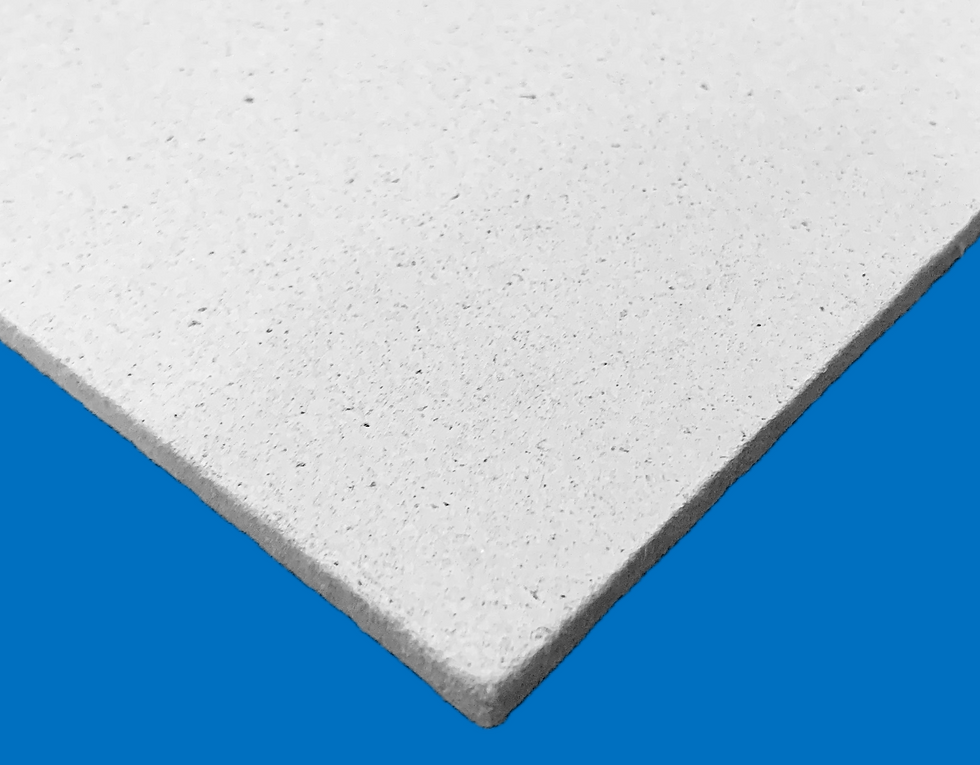
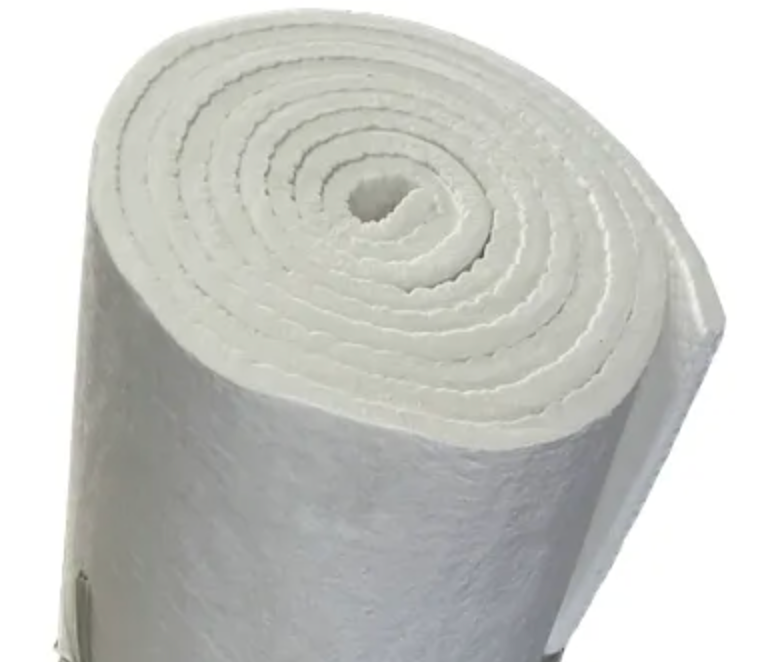
Buy good quality wide range of Furnace Insulation Materials Products at Wedge India. Furnace Insulation is a critical aspect of maintaining energy efficiency and safety in heating systems. Furnace insulation materials play a crucial role in maintaining the efficiency and safety of heating systems.
Types of furnace insulation materials at Wedge India:
Properties: Lightweight, high-temperature resistance, low thermal conductivity.
Temperature Range: Up to 1600°C.
Applications: Used in industrial furnaces, kilns, and other high-temperature equipment.
Properties: Made from molten glass, stone, or slag; fire-resistant; good thermal and acoustic insulation.
Temperature Range: Up to 650°C.
Applications: Residential and commercial heating systems, ovens, industrial furnaces.
Refractory Insulation Bricks:
Types: Includes refractory bricks, castables, and gunning mixes.
Properties: Extremely durable, capable of withstanding very high temperatures, and direct contact with flames.
Temperature Range: Varies widely; some materials can withstand temperatures exceeding 3000°F (1650°C).
Applications: Industrial furnaces, incinerators, and other high-temperature environments.
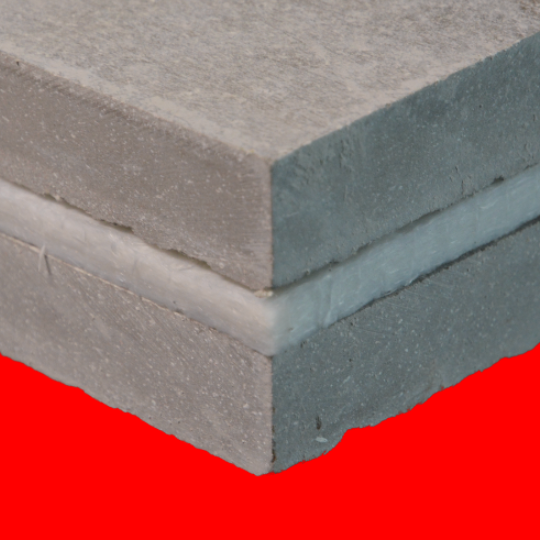
Wedge Calcium Silicate Insulation:
Properties: Rigid, good thermal insulation, resistant to high temperatures.
Temperature Range: Up to 1100°C.
Applications: Pipe and equipment insulation in power plants, refineries, and other industrial facilities.
Properties: Expanded volcanic glass, lightweight, good thermal insulation.
Temperature Range: Up to 982°C.
Applications: Low- and medium-temperature industrial furnaces, cryogenic insulation.
Properties: Expanded mica mineral, lightweight, fire-resistant, good thermal insulation.
Temperature Range: Up to 1100°C.
Applications: Industrial furnaces, foundries, and other high-temperature environments.
Properties: Made from crushed glass, lightweight, impermeable to moisture, fire-resistant.
Temperature Range: Up to 482°C.
Applications: Cryogenic and low-temperature industrial applications, pipe insulation.
Properties: Extremely low thermal conductivity, lightweight, high-temperature resistance.
Temperature Range: Up to 1050°C.
Applications: High-performance insulation in industrial and aerospace applications.
Properties: Very low thermal conductivity, thin and lightweight, high-temperature resistance.
Temperature Range: Up to 1200°C.
Applications: Industrial furnaces, aerospace, and other applications where space and weight are critical.
Considerations for Choosing Insulation Materials:
1. Temperature Resistance: The material must withstand the operating temperatures of the furnace.
2. Thermal Conductivity: Lower thermal conductivity materials are better insulators.
3. Durability: The material should withstand thermal cycling and mechanical wear.
4. Installation and Maintenance: Some materials are easier to install and maintain than others.
5. Cost: Balancing performance with budget constraints is essential.
Benefits of Furnace Insulation:
1. Energy Efficiency: Proper insulation minimizes heat loss, ensuring that more heat is retained within the furnace, leading to lower energy consumption and reduced operational costs.
2. Safety: Insulation prevents the outer surface of the furnace from becoming too hot, reducing the risk of burns or fires.
3. Longer Furnace Equipment Life: By maintaining consistent internal temperatures and reducing thermal shock, insulation helps extend the lifespan of furnace components.
4. Environmental Impact: Improved energy efficiency leads to lower fuel consumption, which in turn reduces greenhouse gas emissions.
Applications:
1. Residential Furnaces: Insulation is used in home heating systems to improve energy efficiency and maintain comfortable indoor temperatures.
2. Industrial Furnaces: In industries such as metallurgy, ceramics, and glass production, high-temperature insulation is crucial for process efficiency and safety.
3. Commercial Heating Systems: Office buildings, schools, and hospitals use insulated heating systems to maintain large spaces efficiently.
Proper furnace insulation is essential for energy conservation, safety, and cost-effectiveness. Whether for residential, commercial, or industrial applications, choosing the right type of insulation and maintaining it properly can lead to significant benefits.