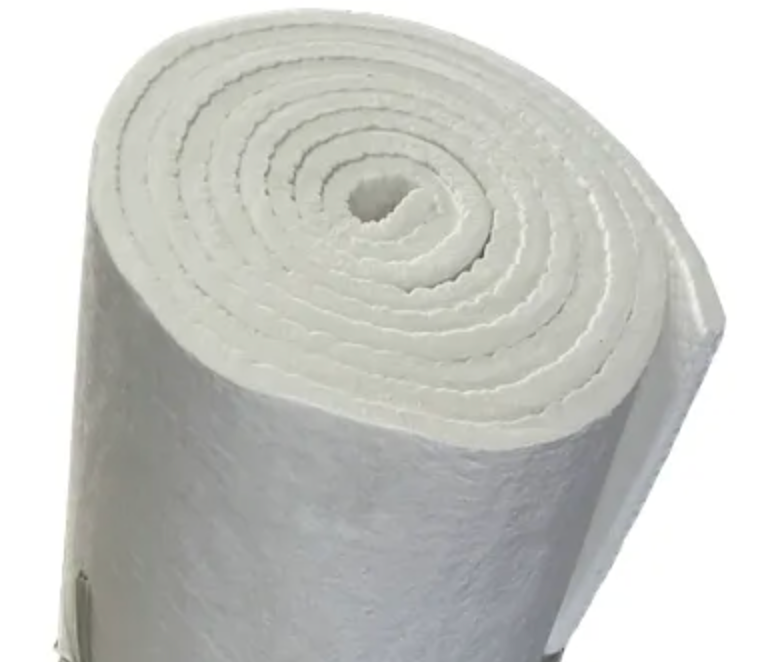
Buy good quality low Foam Insulation for various applications at Wedge India leading manufacturer and supplier of Insulation products.
Foam insulation is a versatile and effective type of insulation used in various building applications to improve energy efficiency, provide soundproofing, and enhance overall comfort. Here’s an in-depth look at foam insulation, including its types, benefits, applications, and considerations:
Types of Foam Insulation
Spray Foam Insulation:
Open-Cell Spray Foam: Light and flexible, with an R-value of around R-3.5 to R-4 per inch. It expands to fill gaps and cracks, providing excellent air sealing and soundproofing.
Closed-Cell Spray Foam: Dense and rigid, with a higher R-value of around R-6 to R-7 per inch. It provides a strong moisture barrier and adds structural strength to buildings.
Rigid Foam Board Insulation:
Polystyrene (PS): Includes expanded polystyrene (EPS) and extruded polystyrene (XPS), with R-values ranging from R-3.6 to R-5 per inch. XPS is more moisture-resistant than EPS.
Polyisocyanurate (Polyiso): Offers the highest R-value per inch (around R-6 to R-7.5) and often comes with foil facing for added radiant barrier properties.
Polyurethane (PUR): Similar to polyiso, with high R-values and often used in spray foam applications but available in rigid board form as well.
Benefits of Foam Insulation
High R-Value:
Thermal Resistance: Foam insulation provides superior thermal resistance compared to traditional insulation materials like fiberglass or cellulose. This means better energy efficiency and lower heating and cooling costs.
Air Sealing:
Minimizes Air Leaks: Spray foam insulation expands to fill gaps and cracks, creating an airtight seal that prevents drafts and reduces energy loss.
Moisture Barrier:
Prevents Water Infiltration: Closed-cell spray foam and rigid foam boards provide excellent moisture resistance, reducing the risk of mold and mildew growth.
Structural Strength:
Adds Rigidity: Closed-cell spray foam and certain rigid foam boards can add structural strength to walls, roofs, and other building components.
Soundproofing:
Reduces Noise: Foam insulation, particularly open-cell spray foam, has good sound-absorbing properties, helping to reduce noise transmission.
Versatility:
Multiple Applications: Suitable for use in walls, roofs, floors, foundations, and around HVAC systems and pipes.
Applications of Foam Insulation
Walls:
Interior and Exterior: Used in cavity walls, exterior sheathing, and interior walls to provide high thermal resistance and air sealing.
Roofs:
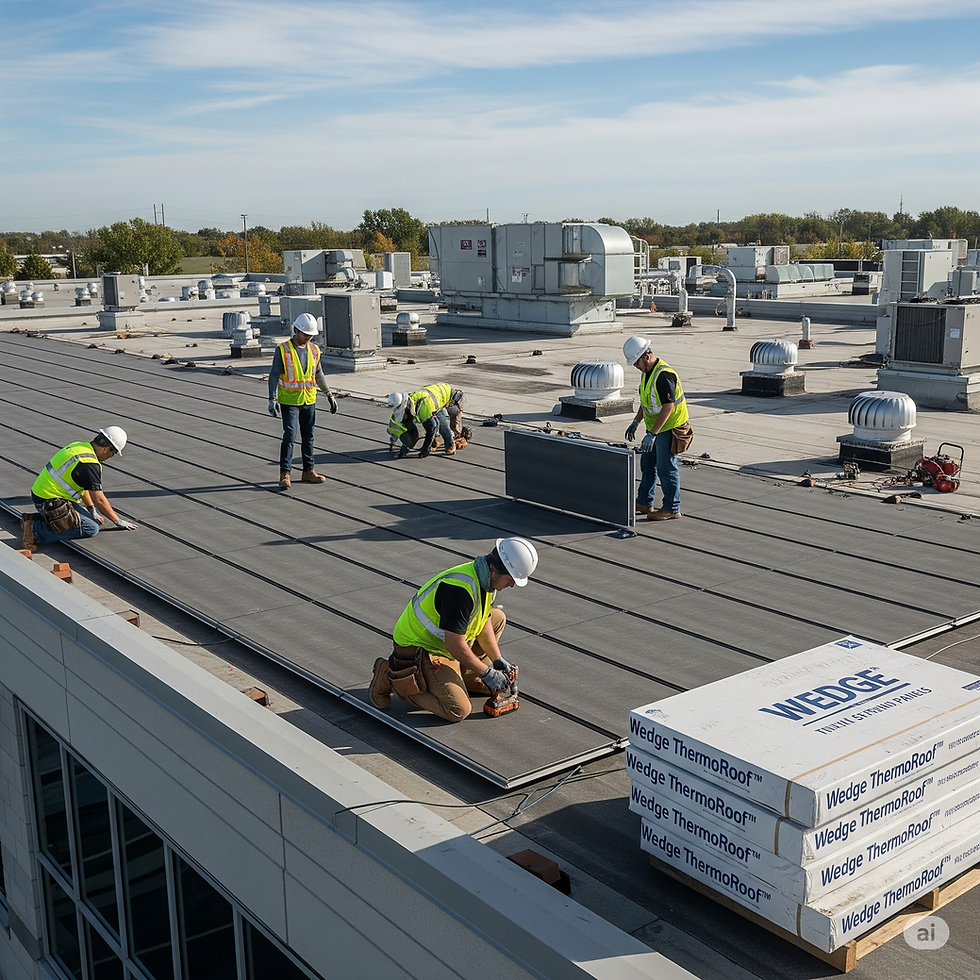
Flat and Pitched Roofs: Applied under roofing materials or as part of a roofing system to improve insulation and reduce heat loss.
Floors:
Above and Below Grade: Insulates floors, including basement and crawl space floors, to prevent heat loss and improve energy efficiency.
Foundations:
Basement Walls and Slabs: Provides insulation and moisture protection for below-grade walls and concrete slabs.
HVAC Systems:
Ductwork and Pipes: Insulates ductwork and pipes to reduce energy loss and prevent condensation.
Foam insulation, including spray foam and rigid foam boards, offers superior thermal resistance, air sealing, moisture protection, and soundproofing compared to traditional insulation materials. Its versatility makes it suitable for a wide range of applications, from walls and roofs to floors and foundations. Proper installation and safety precautions are essential to maximize the benefits and ensure long-term performance.