Buy good quality, high R Value, low price Fire proof Insulation at Wedge India to reduce thermal bridging, enhances energy efficiency, and helps maintain a comfortable indoor environment.
Fireproof insulation is designed to provide both thermal insulation and high levels of fire resistance, helping to slow the spread of flames and maintain structural integrity during a fire. These materials are crucial for enhancing the safety of buildings, particularly in areas where fire safety is a top priority, such as commercial buildings, industrial settings, multi-story structures, and areas with strict building codes. Here’s an overview of the best fireproof insulation options, their applications, and benefits:
Top Fireproof Insulation Materials
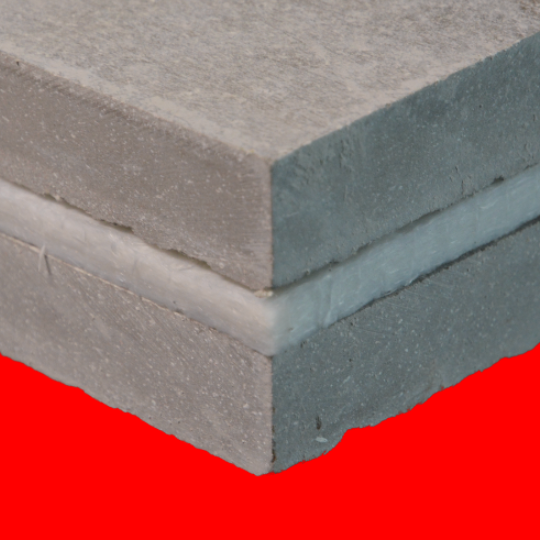
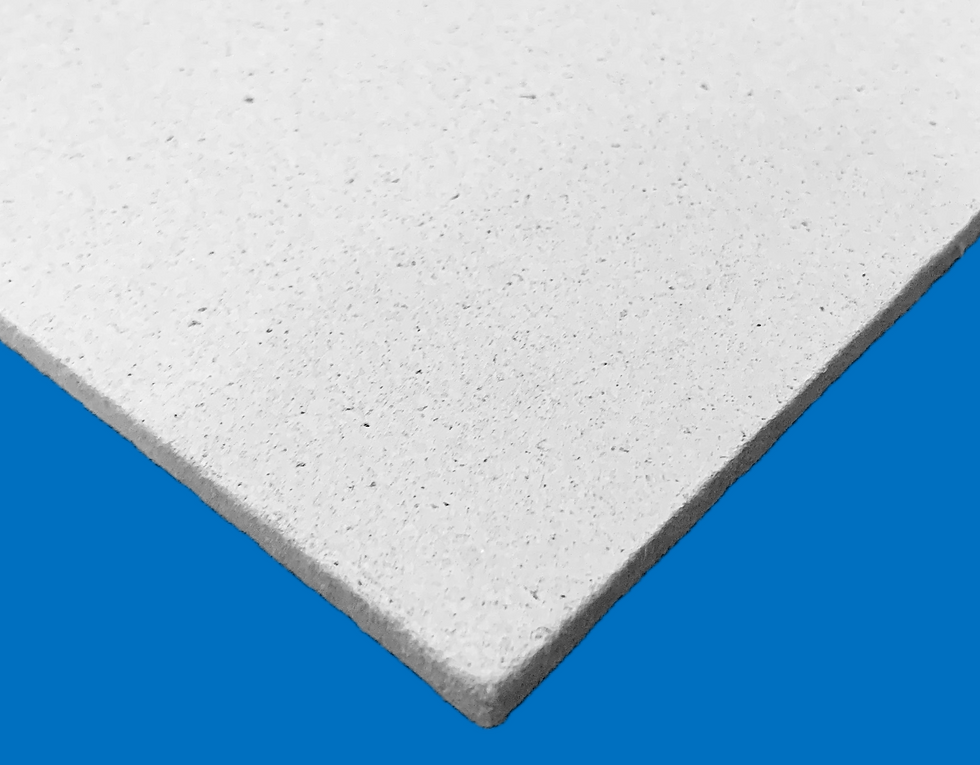
1. Calcium Silicate Insulation:
• Description: Composed of calcium, silica, and reinforcing fibers, calcium silicate boards are rigid, lightweight, and capable of withstanding very high temperatures.
• Fire Resistance: Non-combustible and can withstand temperatures up to 1,000°C (1,832°F).
Benefits:
• Provides excellent fire resistance and insulation.
• High structural integrity and does not shrink or warp under heat.
• Low thermal conductivity, which helps in fire protection.
• Applications: Commonly used in industrial settings, pipe and equipment insulation, and for fireproofing structural steel and high-temperature environments.
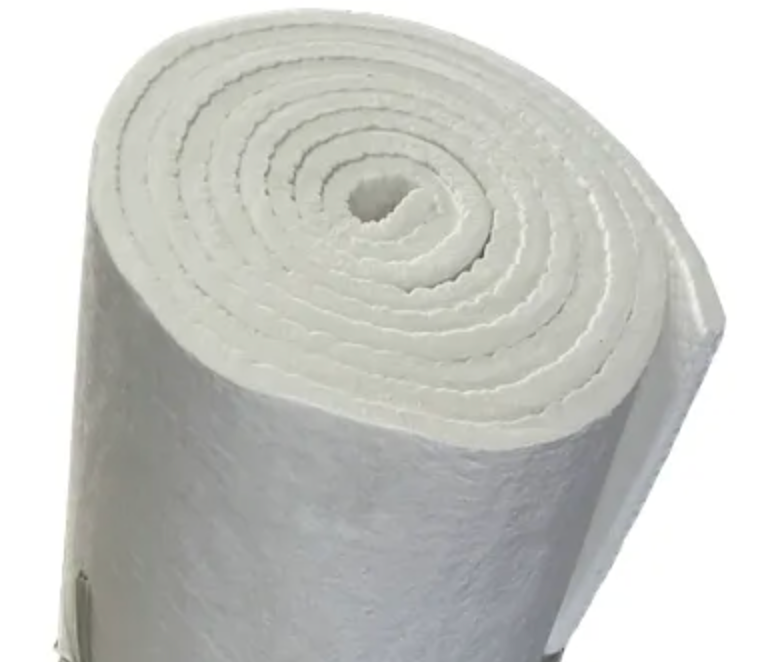
2. Ceramic Fiber Insulation:
• Description: Made from alumina and silica, ceramic fibers are designed for extreme high-temperature applications, often used in industrial environments.
• Fire Resistance: Withstands temperatures up to 1,260°C (2,300°F) and is non-combustible.
Benefits:
• High thermal resistance and low thermal conductivity.
• Lightweight and flexible, allowing for use in complex shapes and configurations.
• Provides excellent fire protection in extremely high-temperature applications.
• Applications: Used in furnaces, kilns, high-temperature ducting, and fire barriers in industrial settings.
3. Perlite Insulation:
• Description: Perlite is a volcanic glass that expands when heated, forming a lightweight, porous material that is non-combustible.
• Fire Resistance: Non-combustible and can withstand very high temperatures, making it suitable for fireproofing applications.
Benefits:
• Excellent fire resistance and lightweight.
• Good thermal insulation properties and resistant to moisture.
• Environmentally friendly, as it is made from natural materials.
• Applications: Used in concrete block cores, fire-rated wall and floor assemblies, and industrial insulation.
4. Vermiculite Insulation:
• Description: Vermiculite is a naturally occurring mineral that expands when heated. It is non-combustible and provides good thermal insulation.
• Fire Resistance: Can withstand high temperatures and is non-combustible.
Benefits:
• Good fire resistance and lightweight.
• Provides thermal and sound insulation.
• Resistant to mold, pests, and moisture.
• Applications: Often used in loose-fill form for insulating attics, wall cavities, and around chimneys or fireplaces.
Applications of Fireproof Insulation
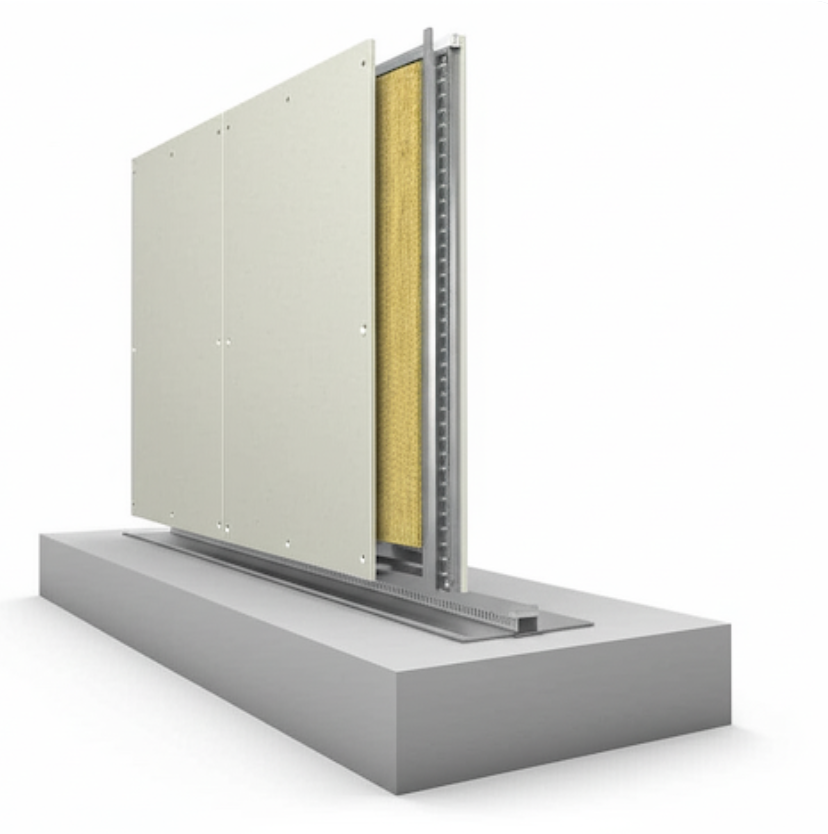
1. Fire-Rated Walls and Partitions:
• Used in constructing fire-rated walls in commercial buildings, hospitals, schools, and other facilities where fire safety is critical.
2. Ceilings and Floors:
• Provides fire resistance for ceilings and floors, especially in multi-story buildings where fire separation between floors is necessary.
3. Structural Steel Protection:
• Insulation materials like mineral wool, calcium silicate, and spray-applied fire-resistant materials are used to insulate structural steel to prevent it from reaching critical temperatures during a fire.
4. HVAC Ducts and Pipes:
• Fireproof insulation is used around HVAC ducts and pipes to prevent the spread of fire and smoke through building services.
5. Industrial Equipment and High-Temperature Applications:
• Used in furnaces, kilns, boilers, and other high-temperature equipment to provide fire resistance and thermal insulation.
Benefits of Fireproof Insulation
• Enhanced Fire Safety: Provides critical protection by slowing the spread of flames, protecting structural elements, and giving occupants more time to evacuate.
• Improved Building Resilience: Helps maintain the structural integrity of the building during a fire, reducing potential damage and aiding in safer evacuation.
• Thermal and Acoustic Performance: In addition to fire resistance, these materials offer good thermal insulation and soundproofing, contributing to overall building comfort.
• Compliance with Building Codes: Fireproof insulation helps meet stringent fire safety regulations and standards, ensuring building compliance and safety.
Installation Considerations for Fireproof Insulation
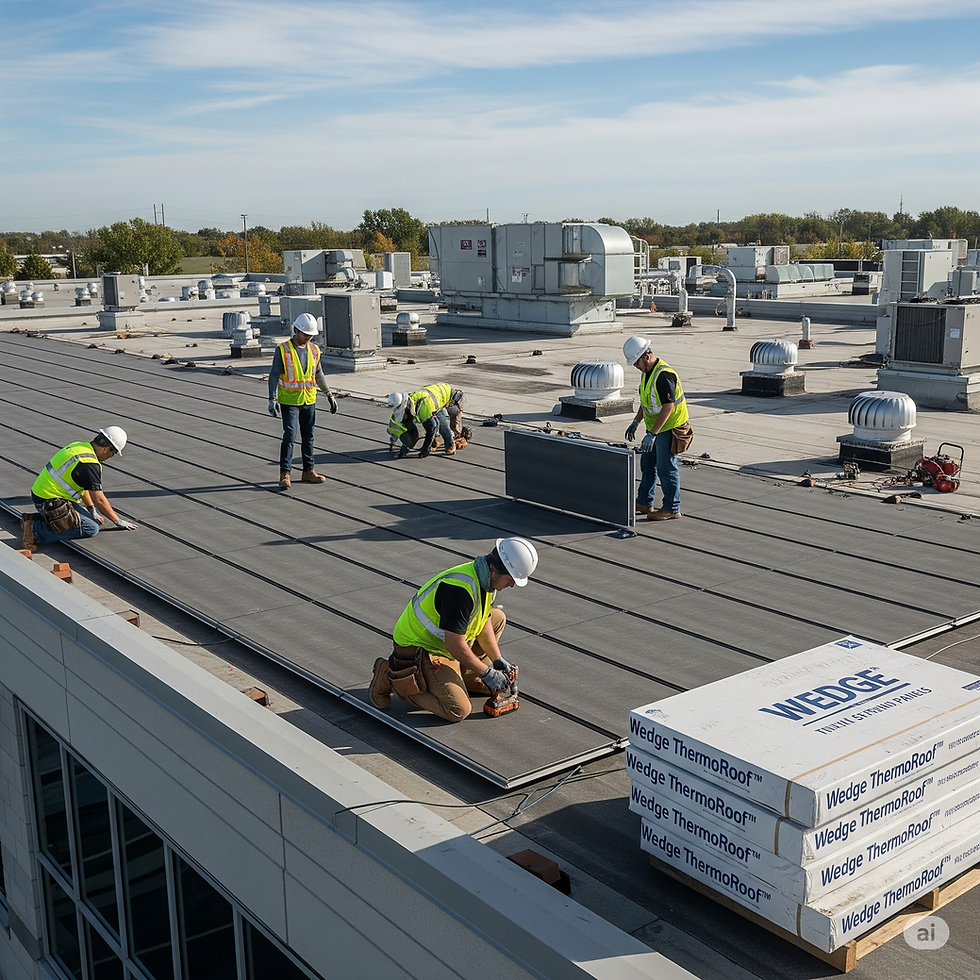
1. Proper Installation: Correct installation is crucial for fireproof insulation to perform effectively. Poor installation can lead to gaps, reduced fire resistance, and potential safety risks.
2. Compatibility: Ensure that the insulation material is compatible with other building materials and finishes used in the assembly to maintain the desired fire rating.
3. Building Codes and Standards: Always check local building codes and fire safety standards to ensure that the insulation meets the required fire ratings for the specific application.
4. Handling and Safety: Some fireproof insulation materials, like mineral wool, can cause skin and respiratory irritation during installation, so proper protective equipment should be used.