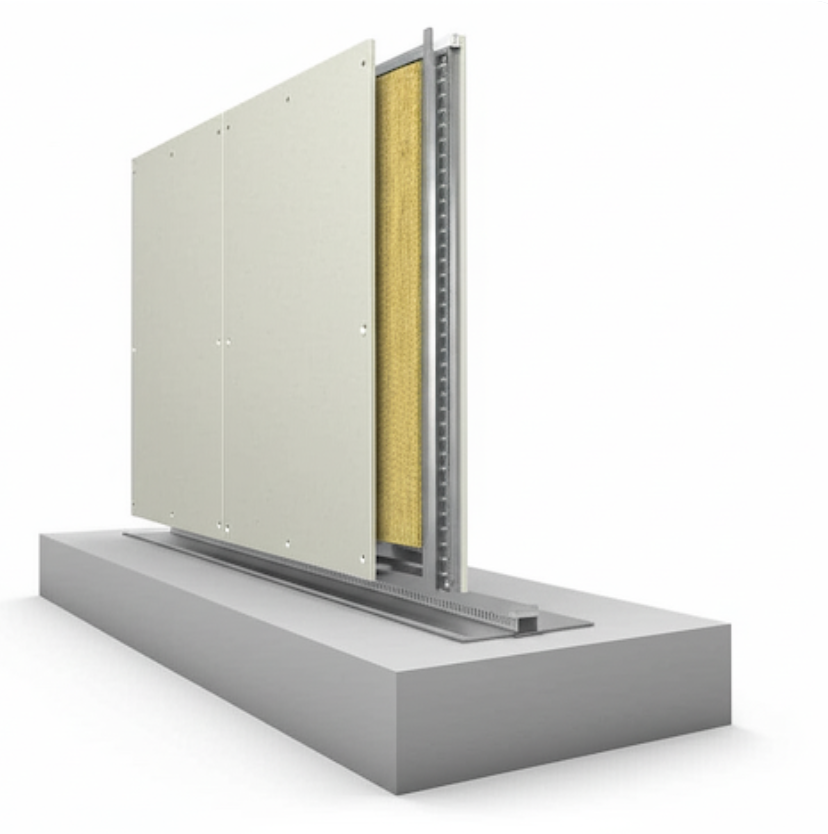
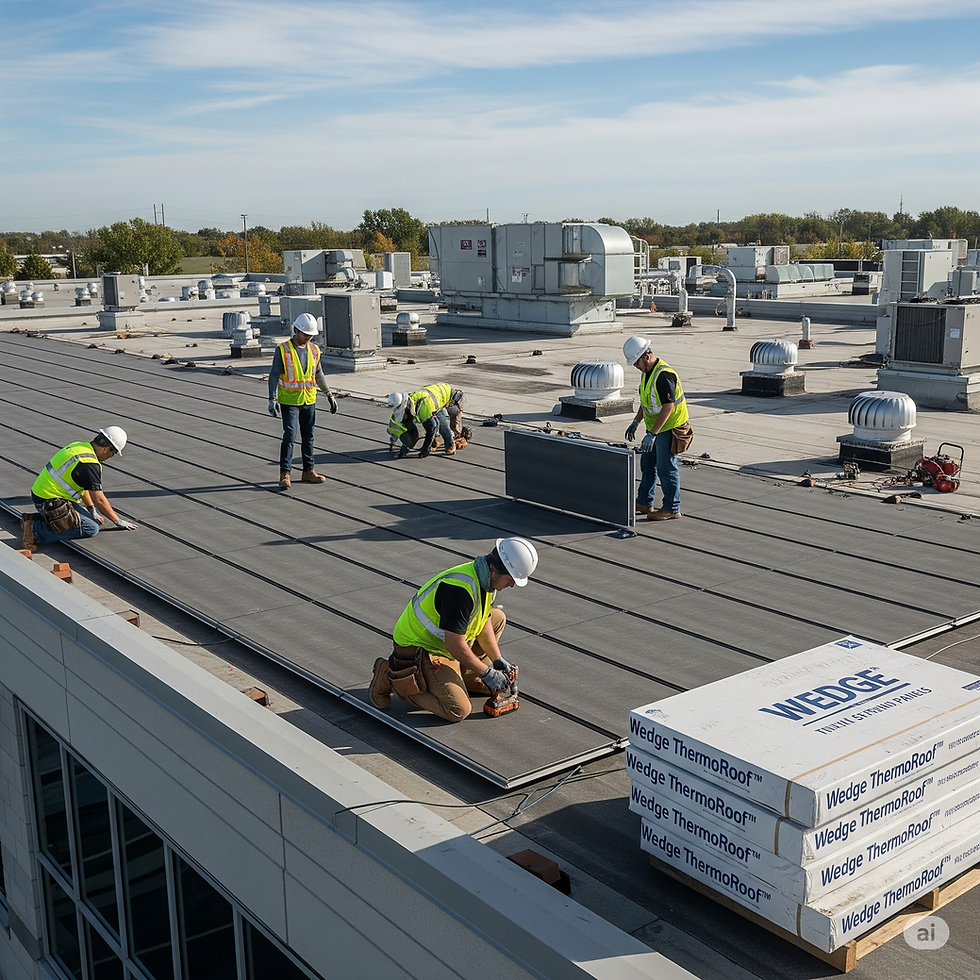
Get energy audit services from Wedge India to save cost, increase profit, find and select most suitable insulation materials for your use. Heat Insulation made of Fire Resistant Insulation Inorganic Mineral Fibers at Wedge India for walls, roofs, tank, foundations, floors cold and hot insulation.
Energy audit is a systematic process of evaluating the energy consumption of a building, facility, or system to identify opportunities for reducing energy use and improving efficiency. The goal is to provide actionable insights to reduce energy costs, enhance comfort, and minimize environmental impact. Energy audits are commonly conducted in residential, commercial, and industrial settings.
Types of Energy Audits
1. Walk-Through Audit (Preliminary Audit):
• A basic audit where an auditor conducts a quick visual inspection of the facility.
• Key energy usage data is collected, but this audit only identifies major areas for improvement.
• Suitable for small buildings or as a preliminary step for a more detailed audit.
2. General Energy Audit (Standard Audit):
• A more detailed assessment involving data collection, analysis of utility bills, and identification of energy inefficiencies.
• Includes recommendations for energy-saving measures and cost-benefit analysis.
• Commonly used for medium-sized facilities, offices, and commercial buildings.
3. Detailed Energy Audit (Comprehensive Audit):
• In-depth energy analysis that includes equipment testing, energy monitoring, and a thorough examination of building systems (e.g., HVAC, lighting, insulation).
• It provides highly detailed reports, including potential upgrades and payback periods.
• Best suited for large facilities, industrial plants, or commercial buildings with complex energy systems.
4. Investment-Grade Energy Audit:
• The most comprehensive audit, used when seeking significant capital investments in energy-saving technologies.
• Includes detailed financial analysis, savings estimates, and lifecycle costing for energy efficiency upgrades.
• Typically required for energy performance contracts or projects seeking external funding.
Key Components of an Energy Audit:
1. Data Collection:
Utility Bills: A thorough analysis of utility bills (electricity, gas, water) over 12 to 24 months to identify consumption patterns and peak usage.
Building Information: Collecting details about the building’s structure, insulation, and occupancy.
2. Inspection of Building Systems:
Heating, Ventilation, and Air Conditioning (HVAC): Inspecting systems for efficiency, maintenance issues, and potential upgrades.
Lighting Systems: Evaluating the use of energy-efficient lighting (LEDs, CFLs) and occupancy sensors.
• Building Envelope: Assessing windows, doors, insulation, and other elements that affect heat loss and gain.
• Electrical Systems: Checking appliances, office equipment, and other devices that consume electricity.
3. Energy Monitoring and Testing:
Blower Door Test: Measures how much air leakage occurs in the building, identifying areas where insulation or sealing is insufficient.
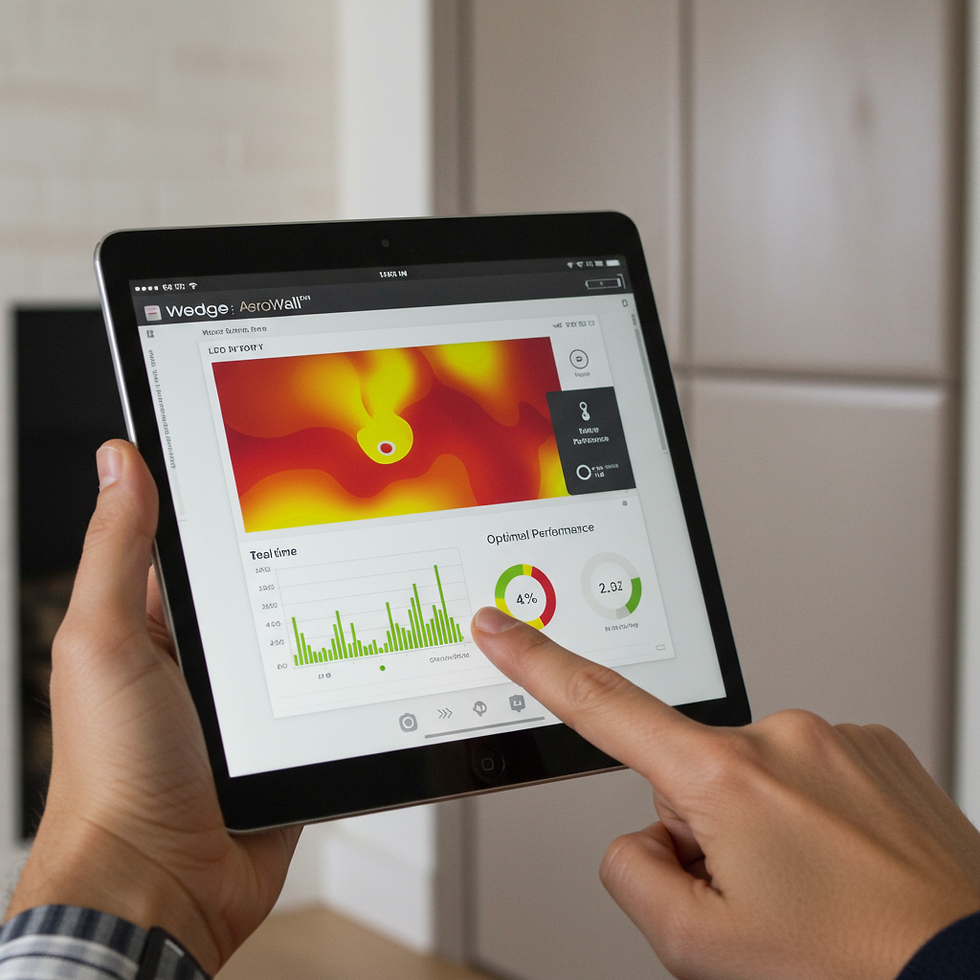
Thermal Imaging: Infrared cameras detect heat loss in the building envelope, helping identify poorly insulated areas or air leaks.
Sub-Metering: Installing temporary or permanent meters on specific systems to measure energy use in detail.
4. Analysis and Reporting:
Energy Usage Patterns: Analyzing data to understand how energy is consumed and identifying peak consumption periods.
Energy Efficiency Measures (EEMs): Recommending practical improvements such as upgrading insulation, installing more efficient equipment, optimizing HVAC systems, or retrofitting lighting.
Cost-Benefit Analysis: Assessing the cost of implementing energy-saving measures versus the expected energy and cost savings over time.
Payback Period: Calculating how long it will take for the savings from energy improvements to pay for the upfront costs.
Benefits of an Energy Audit
1. Cost Savings: Identifies opportunities to reduce energy consumption, leading to lower utility bills.
2. Improved Comfort: Enhances the comfort of a building by improving heating, cooling, and lighting efficiency.
3. Environmental Impact: Reduces carbon footprint by cutting energy waste and encouraging sustainable practices.
4. Increased Property Value: Energy-efficient buildings often have higher market value.
5. Regulatory Compliance: Helps meet local or national energy efficiency standards and certifications like LEED or ENERGY STAR.
Common Recommendations from Energy Audits
• Insulation Upgrades: Adding insulation to walls, roofs, or floors to reduce heat loss.
• HVAC Improvements: Upgrading or maintaining heating and cooling systems for efficiency.
• Building Envelope Improvements: Sealing air leaks around windows, doors, and ducts.
Energy audit provides a detailed roadmap for making energy-efficient changes that can save money, improve comfort, and reduce environmental impact.