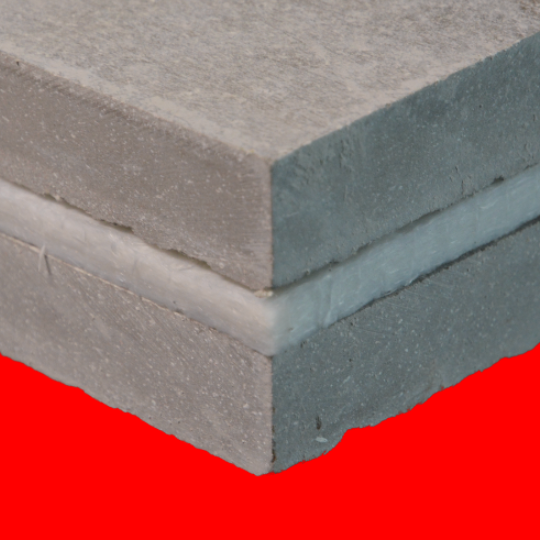
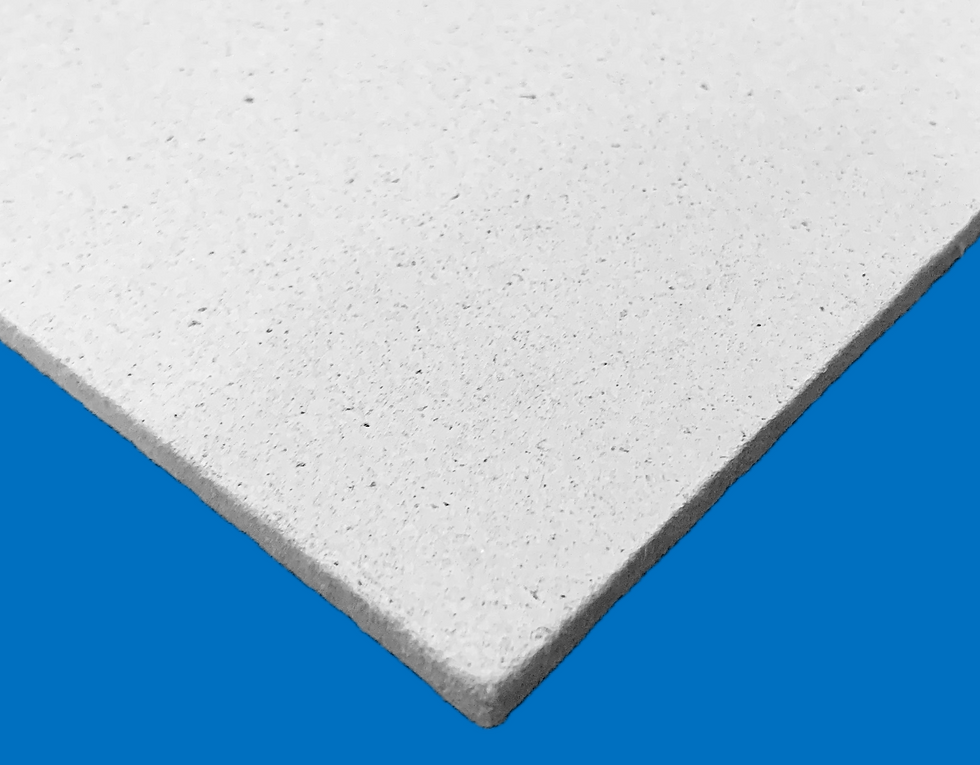
Calcium silicate bricks are a type of building material made from a mixture of sand, lime, and water. These bricks are known for their durability, strength, and excellent thermal and acoustic insulation properties.
Detailed overview of calcium silicate bricks:
Durability: Highly durable and resistant to weathering, making them suitable for exterior use.
Strength: High compressive strength, providing structural integrity and load-bearing capabilities.
Thermal Insulation: Good thermal insulation properties, helping to regulate indoor temperatures and improve energy efficiency.
Fire Resistance: Non-combustible and can withstand high temperatures, offering excellent fire protection.
Acoustic Insulation: Effective soundproofing, reducing noise transmission through walls.
Dimensional Stability: Maintain their shape and size over time, ensuring consistent performance.
Applications:
Residential Buildings: Used in the construction of walls, both load-bearing and non-load-bearing, due to their strength and insulation properties.
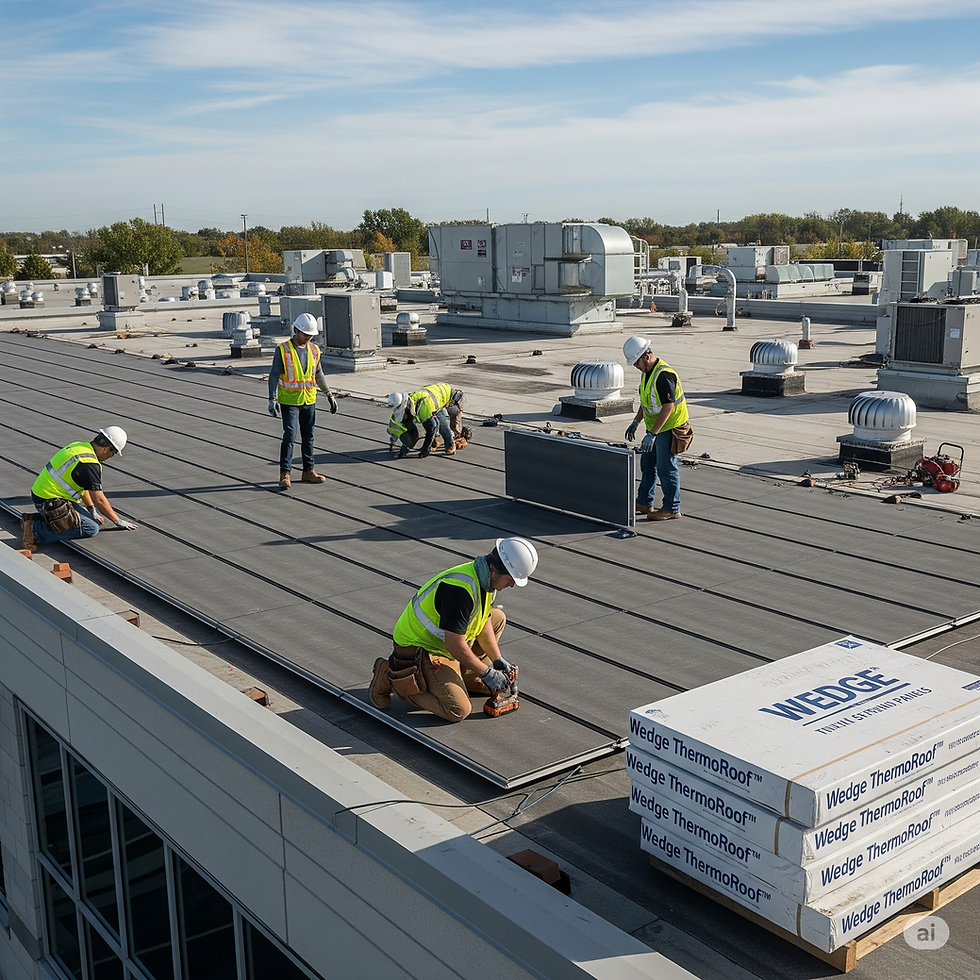
Commercial Buildings: Suitable for office buildings, schools, hospitals, and other commercial structures where durability and fire resistance are important.
Industrial Facilities: Used in industrial settings for constructing walls and partitions that require high durability and fire resistance.
Exterior Cladding: Employed as exterior cladding material due to their weather resistance and aesthetic appeal.
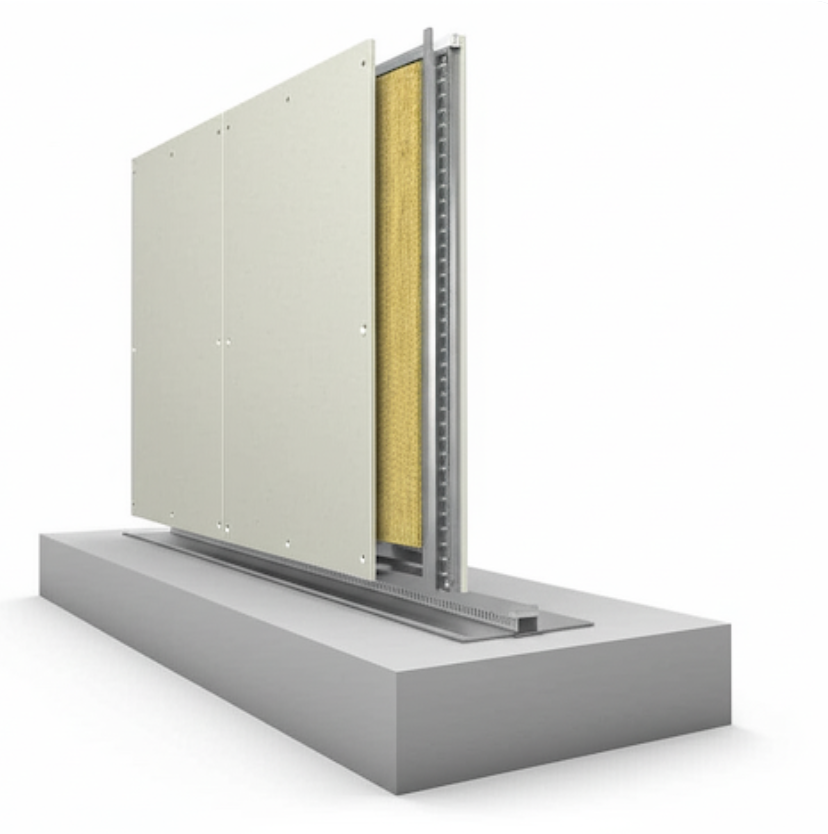
Fire-Rated Walls: Ideal for constructing fire-rated walls and partitions to enhance fire safety in buildings.
Manufacturing Process:
Mixing: A mixture of sand, lime, and water is prepared. The proportions of these ingredients can vary based on the desired properties of the bricks.
Molding: The mixture is poured into molds to form the shape of the bricks.
Autoclaving: The molded bricks are subjected to high-pressure steam in an autoclave. This process causes the lime to react with the silica, forming calcium silicate hydrates, which give the bricks their strength and durability.
Drying: The bricks are dried to remove any remaining moisture before they are ready for use.
Advantages:
Energy Efficiency: Improve energy efficiency of buildings by providing good thermal insulation.
Fire Safety: Enhance fire safety due to their non-combustible nature and high-temperature resistance.
Acoustic Comfort: Improve acoustic comfort by reducing noise transmission through walls.
Aesthetic Appeal: Available in various colors and finishes, offering flexibility in design and aesthetics.
Sustainability: Made from natural materials and often considered environmentally friendly.
Common Varieties:
Standard Calcium Silicate Bricks: Used for general construction purposes, offering a balance of strength and insulation properties.
High-Density Calcium Silicate Bricks: Provide enhanced strength and durability, suitable for load-bearing walls and heavy-duty applications.
Low-Density Calcium Silicate Bricks: Lighter weight and easier to handle, ideal for non-load-bearing walls and partitions.
Calcium silicate bricks are a versatile and reliable building material, offering a combination of strength, durability, and excellent insulation properties, making them suitable for a wide range of construction applications.