Calcium silicate is a versatile material with applications in construction, industrial processes, and insulation. It is composed of calcium and silica, and its properties make it highly valuable in various fields. Here’s a comprehensive overview of calcium silicate:
Chemical Composition:
Primary Components: Calcium oxide (CaO) and silicon dioxide (SiO₂)
Formula: Ca₂SiO₄ for dicalcium silicate and Ca₃SiO₅ for tricalcium silicate, commonly found in cement.
Key Properties:
Thermal Insulation: Excellent thermal insulating properties, reducing heat transfer and improving energy efficiency.
Fire Resistance: Non-combustible and can withstand high temperatures, making it ideal for fireproofing applications.
Durability: Resistant to physical wear, impact, and harsh environmental conditions, ensuring long service life.
Moisture Resistance: Does not absorb water easily, preventing degradation and maintaining structural integrity in humid environments.
Lightweight: Easier to handle and install compared to some other high-temperature insulation materials.
Low Thermal Conductivity: Minimizes heat loss, contributing to effective thermal management.
Applications:
1. Construction:
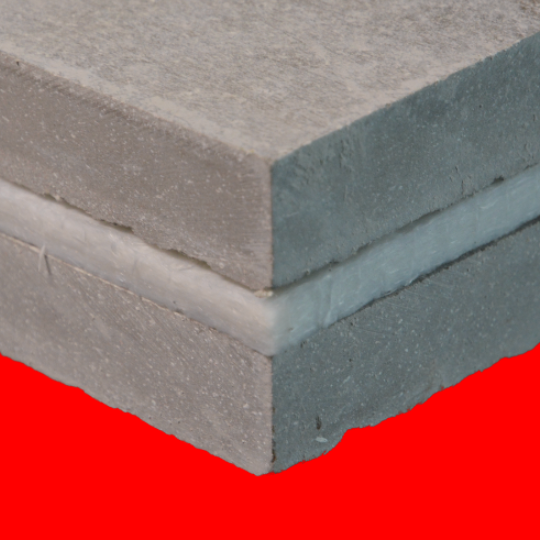
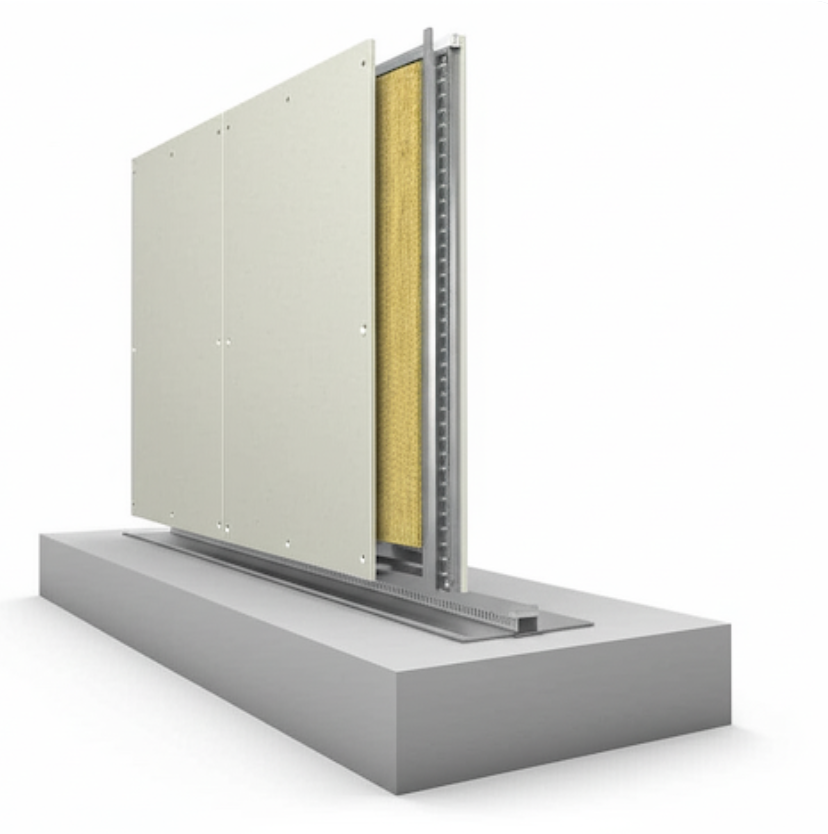
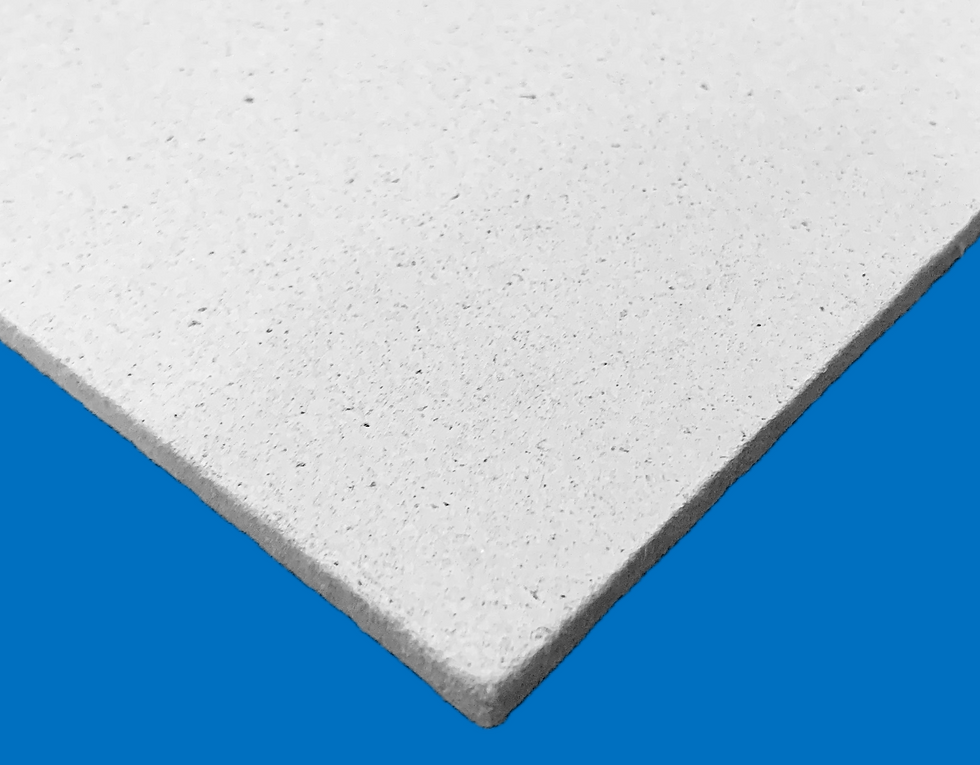
Boards and Panels: Used in partition walls, ceilings, and exterior cladding for thermal and fire insulation.
Fireproofing: Applied to structural steel and other building components to enhance fire resistance.
Acoustic Insulation: Used in soundproofing applications due to its ability to absorb sound.
2. Industrial:
Insulation: Insulates high-temperature equipment such as boilers, furnaces, and kilns, as well as high-temperature piping systems.
Foundries and Steel Mills: Provides thermal insulation for ladles, tundishes, and other high-temperature equipment.
Refineries and Petrochemical Plants: Insulates equipment and piping to protect against heat loss and improve process efficiency.
Power Plants: Used for insulating high-temperature equipment and piping in both fossil fuel and nuclear power plants.
3. Manufacturing:
Cement Production: An essential component in the manufacture of Portland cement, contributing to its strength and setting properties.
Ceramics: Used in the production of various ceramic materials and products.
4. Agriculture:
Soil Conditioner: Improves soil structure and quality, aiding in plant growth.
Fertilizer Additive: Acts as an anti-caking agent, improving the flowability of granular fertilizers.
5. Food and Pharmaceuticals:
Anti-Caking Agent: Used in powdered foods and pharmaceuticals to ensure free flow and prevent clumping.
Environmental and Health Considerations:
Non-Toxic: Generally safe to handle, though precautions should be taken to avoid inhaling dust during processing and application.
Environmentally Friendly: Can be manufactured from sustainable materials and is often recyclable.
Health Safety: Appropriate personal protective equipment (PPE), such as masks and gloves, should be used to minimize dust inhalation and contact during handling and installation.
Advantages:
Energy Efficiency: Reduces energy consumption by providing effective thermal insulation.
Safety: Enhances fire resistance and safety in various applications.
Versatility: Suitable for a wide range of industrial, commercial, and residential applications.
Longevity: Long-lasting performance due to its durability and resistance to harsh conditions.
Calcium silicate is a valuable material widely used for its excellent thermal and fire-resistant properties, durability, and versatility across multiple industries.