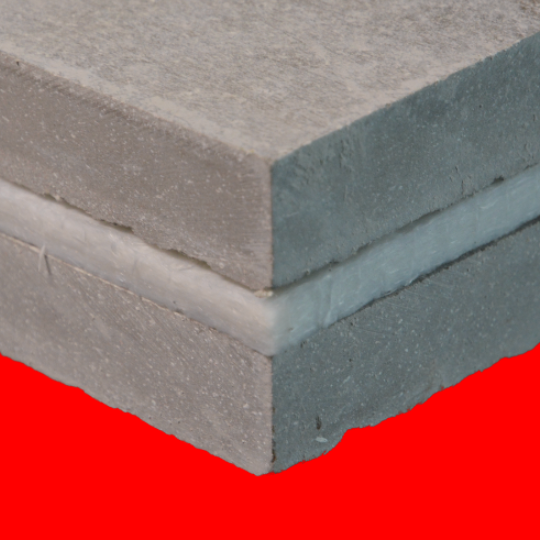
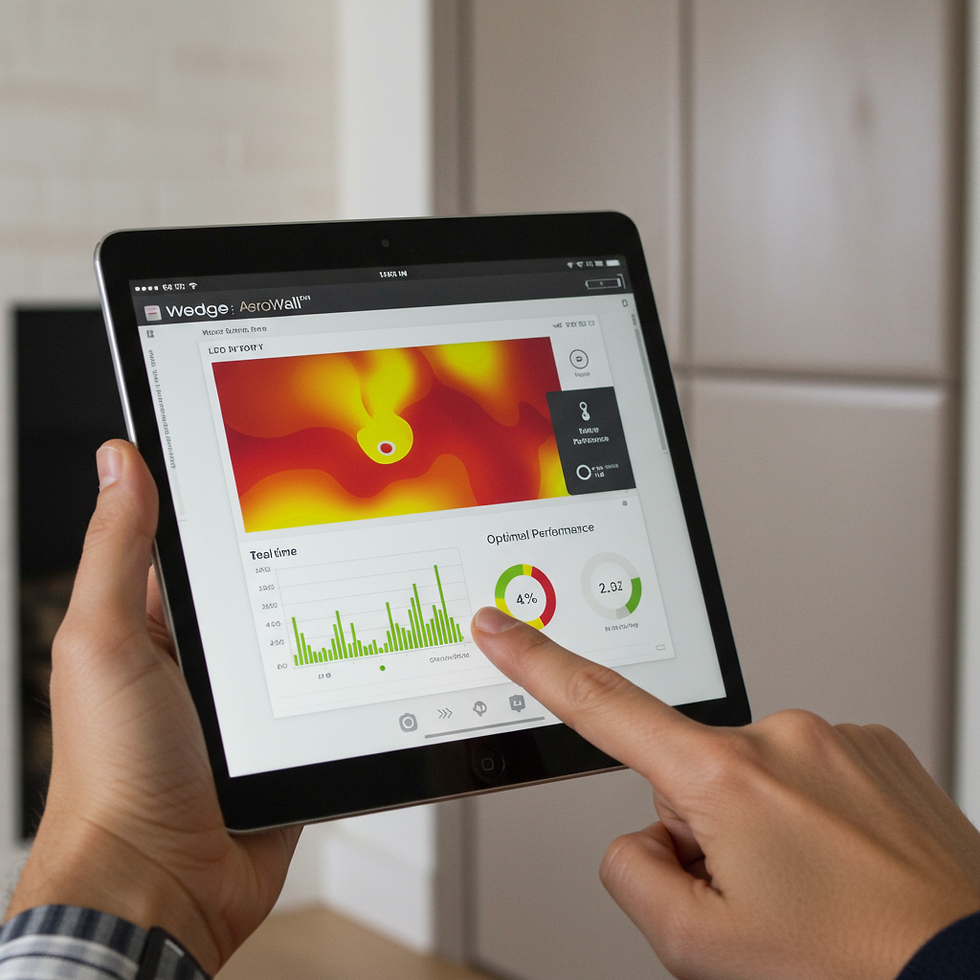
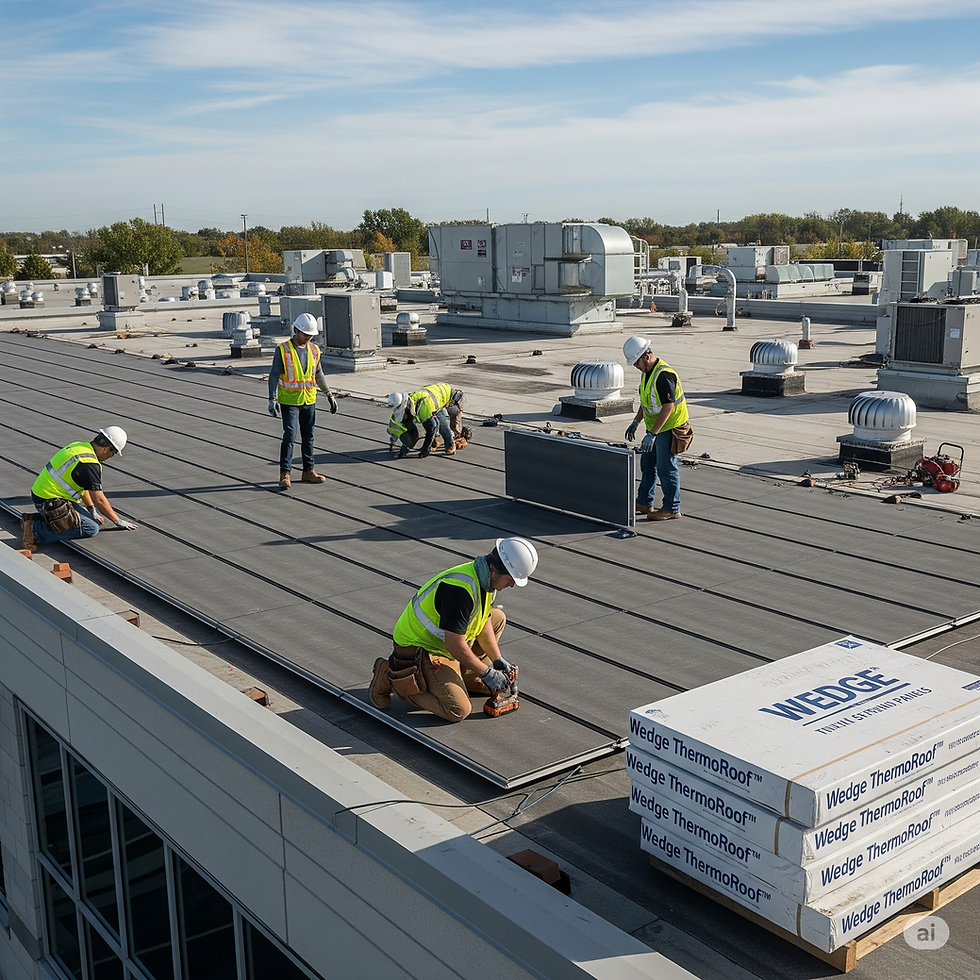
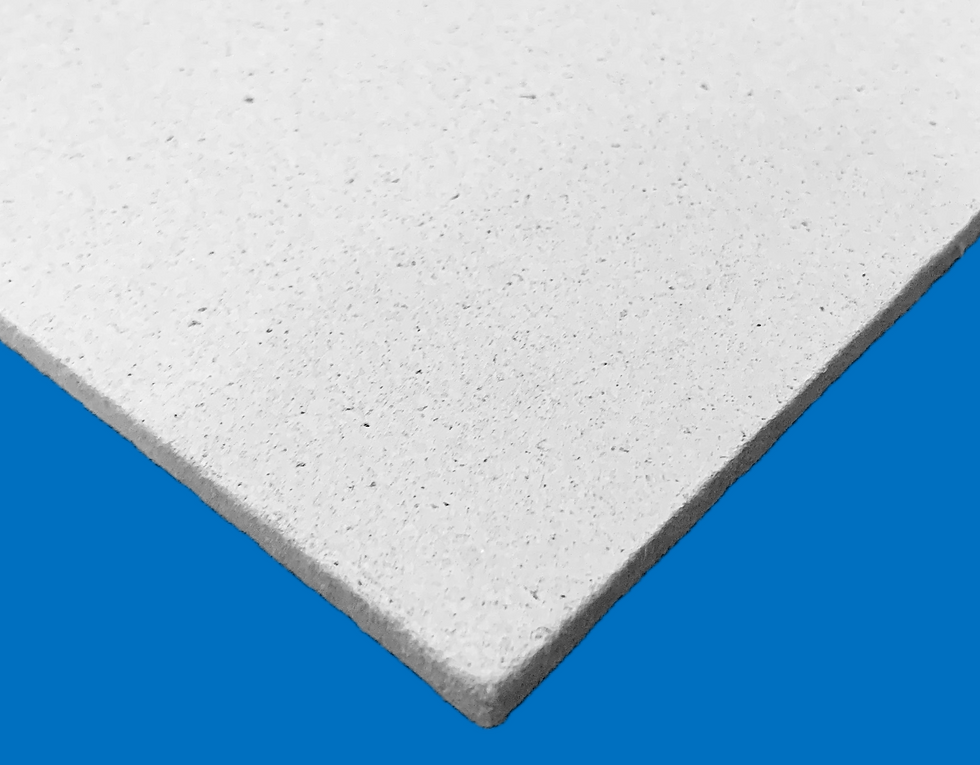
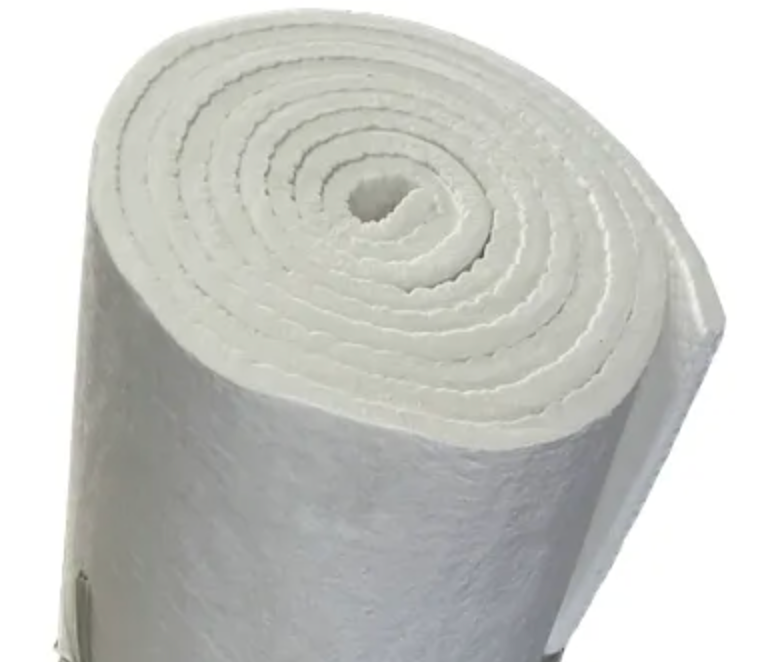
Buy low price 40 INR / SQF wall Insulation reduce 20-30 degree temperature with Wedge Insulation Boards for Wall insulation. It is a key part of making buildings more energy-efficient and comfortable. It helps keep the heat in during winter and out during summer, reducing energy bills and improving indoor comfort.
Types of Wall Insulation
Cavity Wall Insulation
Used for: Homes with a gap between inner and outer walls.
Material: Mineral wool, polystyrene beads, or foam.
Installation: Injected into the wall cavity.
Solid Wall Insulation
Used for: Homes with solid brick or stone walls (no cavity).
Types:
External: Insulation boards fixed to the outside, then rendered.
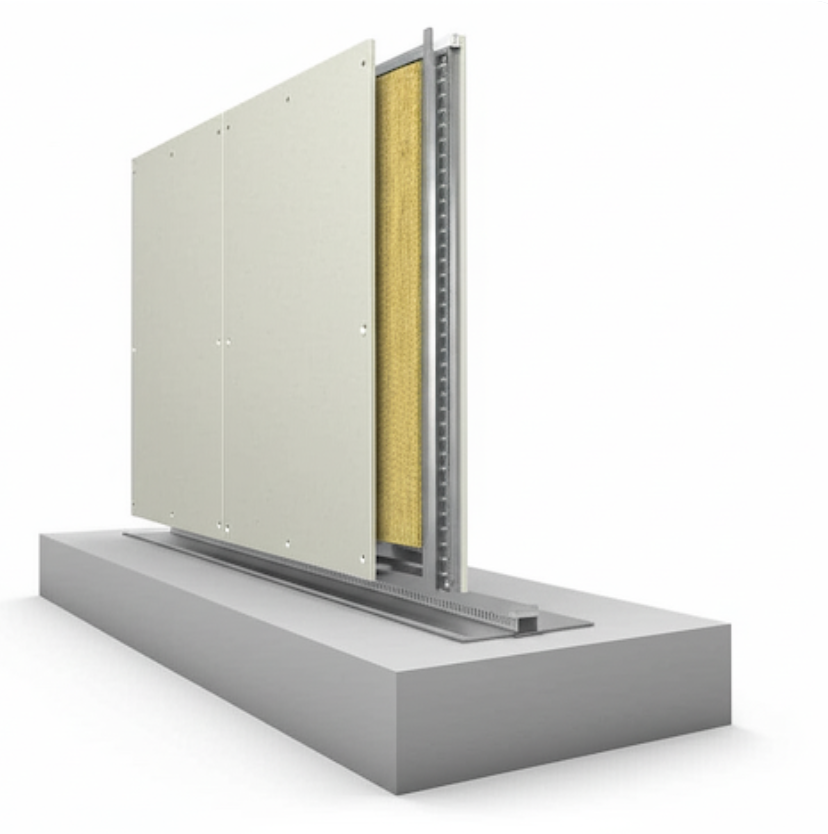
Internal: Insulation boards or stud walls added inside.
Insulated Plasterboard (Dry Lining)
Quick to install on internal walls.
Good for retrofitting without major construction.
Spray Foam Insulation - Not Suitable for Summer if Tempertaure > 45 Degree C
Expands to fill spaces.
Used for hard-to-reach areas or irregular wall shapes.
Natural/eco-friendly options
Materials: Sheep wool, hemp, recycled cotton, cork.
Good for sustainability and indoor air quality.
Benefits of Wall Insulation
Reduces energy bills.
Increases thermal comfort.
Reduces carbon footprint.
Helps prevent condensation and dampness.
How to Choose the Right Type
Check your wall type: cavity or solid?
Budget and energy-saving goals.
Climate zone and local building codes.
Appearance concerns (especially with external insulation).
Wall Insulation how to reduce 20 Degree temperature in summer from 50 to 30 Degrees.
Reducing indoor temperature from 50°C to 30°C using wall insulation is a big but achievable goal—especially in hot climates. To pull off a 20-degree drop, you’ll need high-performance insulation combined with smart passive cooling techniques.
Drop Indoor Temp from 50°C to 30°C (Without Relying on Heavy AC)
1. Use High-R Thermal Insulation for Walls
You’ll need insulation with a high R-value (thermal resistance). Consider:
| Insulation Type | R-Value (per inch) | Notes |
|---|---|---|
| Wedge MAG-PIR | R-6 to R-7 | Very effective for hot climates |
| Wedge CCXPE MAG-XPS | R-5 | Durable, moisture-resistant |
Wedge MAG-MW Mineral Wool | R-4 | Fire-resistant, eco-friendly |
| Reflective Foil + Foam Layers | R-4+ | Good for radiant heat blocking |
For very hot zones, aim for R-20 to R-30 total wall insulation (thicker multi-layered systems).
Add a Reflective Radiant Barrier (Especially for West & South Walls)
Reflects up to 97% of radiant heat.
Works best when there's an air gap between the barrier and wall.
Combine with insulation for best results.
3. Use Double-Wall Construction or Air Gap Walls
Build two layers of walls with air gap (10–15 cm) in between.
Fill the gap with insulation or leave it ventilated.
Air acts as an insulator and helps slow heat transfer.
4. Use Light-Colored or Heat-Reflective Exterior Paint
Reflects solar heat instead of absorbing it.
Can reduce surface temperatures by up to 10°C.
5. Cover Exterior Walls with Green Facades / Cladding
Climbers/plants, bamboo screens, or ventilated façade systems reduce direct sunlight impact.
Acts as natural thermal shield.
6. Ensure Cross-Ventilation and Passive Air Movement
Design for airflow: high windows, exhaust vents.
Combine insulation with passive cooling to keep internal temps from building up.