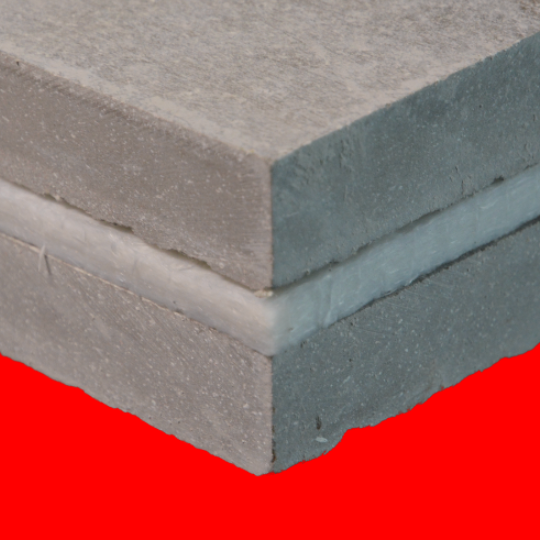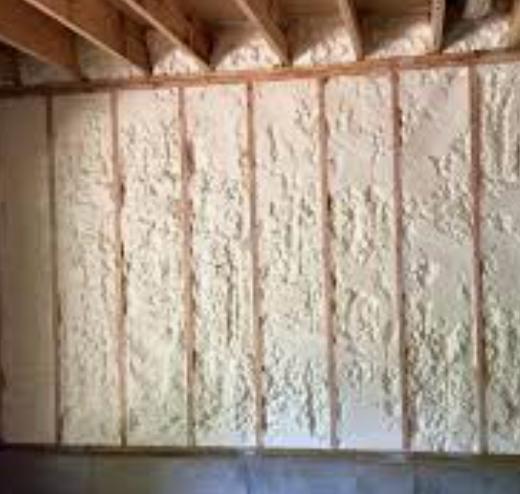

Buy good quality Spray foam Insulation for various applications at Wedge India leading manufacturer and supplier of Insulation products. Spray foam insulation is a versatile and effective insulation material used to insulate buildings and seal gaps and cracks. Spray foam insulation, including its types, benefits, applications, and considerations:
Types of Spray Foam Insulation
Open-Cell Spray Foam:
Structure: Contains cells that are not completely closed, making it more flexible and less dense.
R-Value: Approximately R-3.5 to R-4 per inch.
Uses: Ideal for interior applications, soundproofing, and areas where moisture control is less critical.
Pros: More affordable, excellent for soundproofing, allows for slight movement of the building structure.
Closed-Cell Spray Foam:
Structure: Contains cells that are completely closed, making it more rigid and dense.
R-Value: Approximately R-6 to R-7 per inch.
Uses: Suitable for exterior applications, roofs, walls, and areas requiring high moisture resistance.
Pros: Higher R-value, excellent moisture barrier, adds structural strength to buildings.
Benefits of Spray Foam Insulation
Superior Insulation: Provides a high R-value per inch, offering excellent thermal resistance and energy efficiency.
Air Sealing: Expands to fill gaps and cracks, creating an airtight seal that reduces drafts and air leaks.
Moisture Barrier: Closed-cell foam acts as a barrier against moisture, reducing the risk of mold and mildew growth.
Soundproofing: Open-cell foam provides good sound insulation, reducing noise transmission.
Durability: Long-lasting and does not settle or degrade over time, maintaining its insulating properties.
Structural Strength: Closed-cell foam adds rigidity and strength to the structure of the building.
Applications of Spray Foam Insulation
Walls: Both exterior and interior walls can benefit from the airtight seal provided by spray foam insulation.
Attics: Prevents heat loss in winter and heat gain in summer, improving overall energy efficiency.
Roofs: Closed-cell foam can be used on flat or low-slope roofs to provide insulation and add structural strength.
Basements and Crawl Spaces: Helps to prevent moisture infiltration and insulate these often overlooked areas.
Gaps and Cracks: Ideal for sealing around windows, doors, and other areas prone to air leakage.
Considerations
Cost: Spray foam insulation is generally more expensive than other types of insulation, such as fiberglass or cellulose.
Professional Installation: Requires specialized equipment and expertise for proper application, typically necessitating professional installation.
Potential Off-Gassing: Some spray foam products may release volatile organic compounds (VOCs) during and shortly after installation. Proper ventilation is essential during installation.
Expansion: The foam expands upon application, so precise application is necessary to avoid overfilling or applying inappropriately.
Wedge Spray foam insulation is a highly effective insulation material that offers excellent thermal resistance, air sealing, and moisture control. Its ability to expand and fill gaps makes it a versatile choice for various applications, including walls, attics, roofs, basements, and more. While it is more expensive and requires professional installation, the long-term benefits in energy savings, comfort, and durability often outweigh the initial investment.