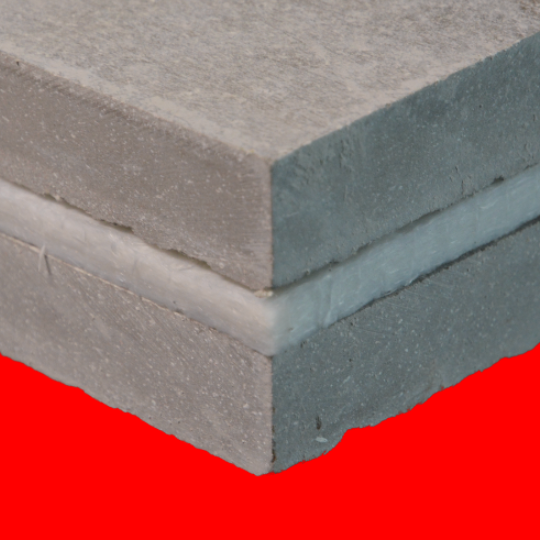
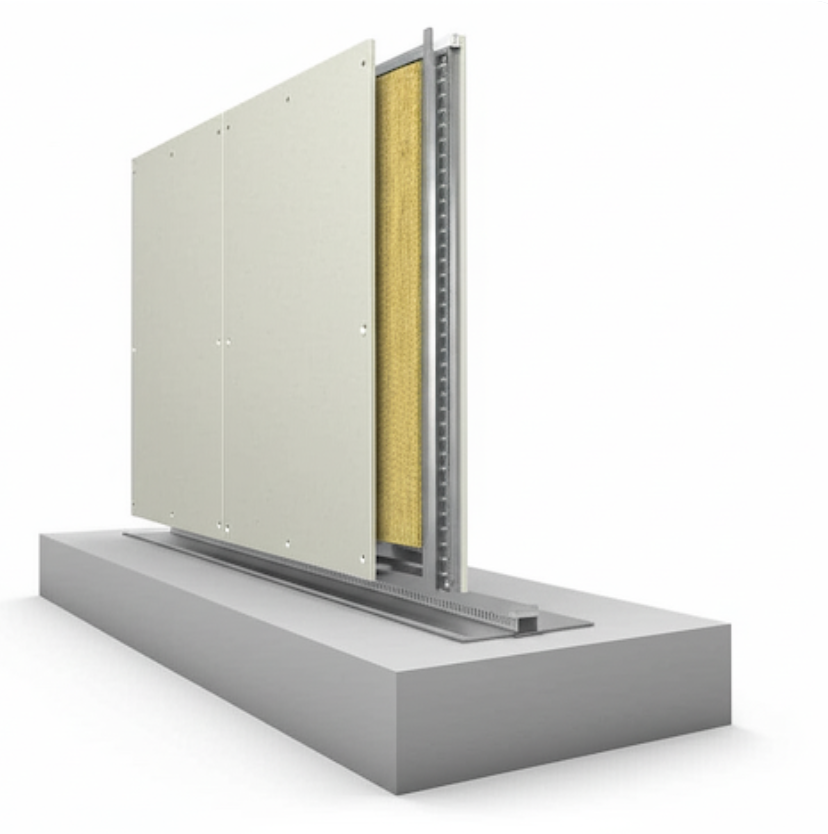
Buy high quality low price Soundproof Door with high Sound Insulation for noise blocking and sound absorbing at low price manufactured by Wedge India.
Soundproofing a door is a great way to reduce noise transmission between rooms. Here are steps and options for creating a soundproof door:
1. Replace the Door
- Solid Core Door: Replace hollow core doors with solid wood, fiberglass, or metal doors. These are much denser and block sound more effectively.
- Acoustic Doors: Pre-made soundproof doors are specifically designed for noise reduction, often used in studios or offices.
2. Seal Gaps and Cracks
- Weatherstripping: Install weatherstripping around the edges to seal gaps where sound can leak. Rubber or foam strips are effective and easy to install.
- Door Sweeps: Attach a sweep to the bottom of the door to close the gap between the door and floor. Look for acoustic door sweeps with a dense rubber seal.
- Acoustic Caulk: Seal any cracks around the door frame with acoustic caulk for an airtight seal.
3. Add Mass
- Mass Loaded Vinyl (MLV): Attach MLV sheets to the door to add density and block sound. Cover with fabric or a decorative panel for aesthetics.
- Acoustic Panels: Attach soundproof panels or foam to the door's surface to absorb noise and reduce vibrations.
4. Reduce Vibrations
- Resilient Channels: Install resilient channels between the door and the acoustic materials to further isolate vibrations.
- Damping Compounds: Apply a damping compound, like Green Glue, between layers of material added to the door.
5. Use Soundproofing Accessories
- Soundproof Blankets or Curtains: Hang thick, dense blankets or acoustic curtains over the door. While temporary, they can significantly reduce noise.
- Door Gaskets: Install acoustic gaskets on the sides and top of the door for a tighter seal.
Pre-Made Solutions
Acoustic Door Kits: Kits that include gaskets, sweeps, and door seals.
Studio Doors: High-end soundproof doors with built-in sound-dampening layers.
Tips for Best Results
- Combine multiple methods (e.g., solid door + seals + acoustic panels).
- Ensure there are no air gaps; even a small opening can allow significant sound leakage.
- Test the door after each modification to check effectiveness