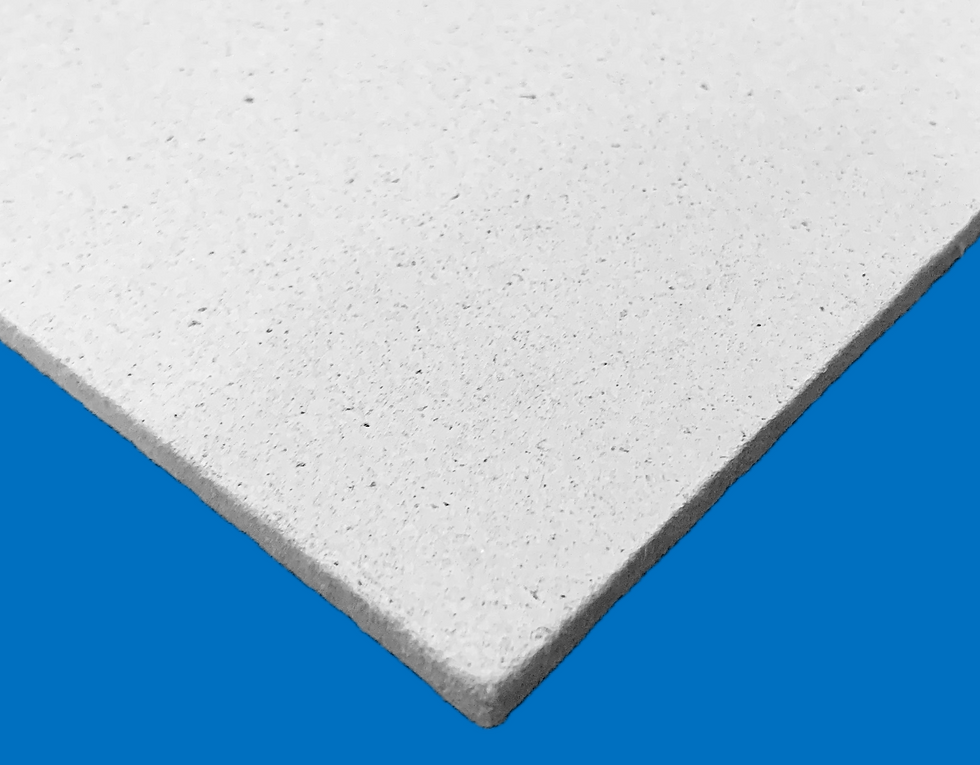
Buy low price 40 INR / SQF Roof Heat Insulation reduce 20-30 degree temperature with Wedge Insulation Boards for Roof Insulation. It is a key part of making buildings more energy-efficient and comfortable. It helps keep the heat in during winter and out during summer, reducing energy bills and improving indoor comfort.
Roof heat insulation is a layer of material installed above, below, or within the roof to reduce heat transfer between the interior of a building and the external environment.
Why It’s Important in Hot Climates
The roof can absorb up to 60% of the total heat entering a home.
Without insulation, surface temps can hit 60–70°C, radiating that heat inside.
With proper insulation, you can lower indoor temps by 10–20°C, depending on the setup.
Types of Roof Insulation (Best for Hot Areas)
| Type | Placement | Benefits |
|---|---|---|
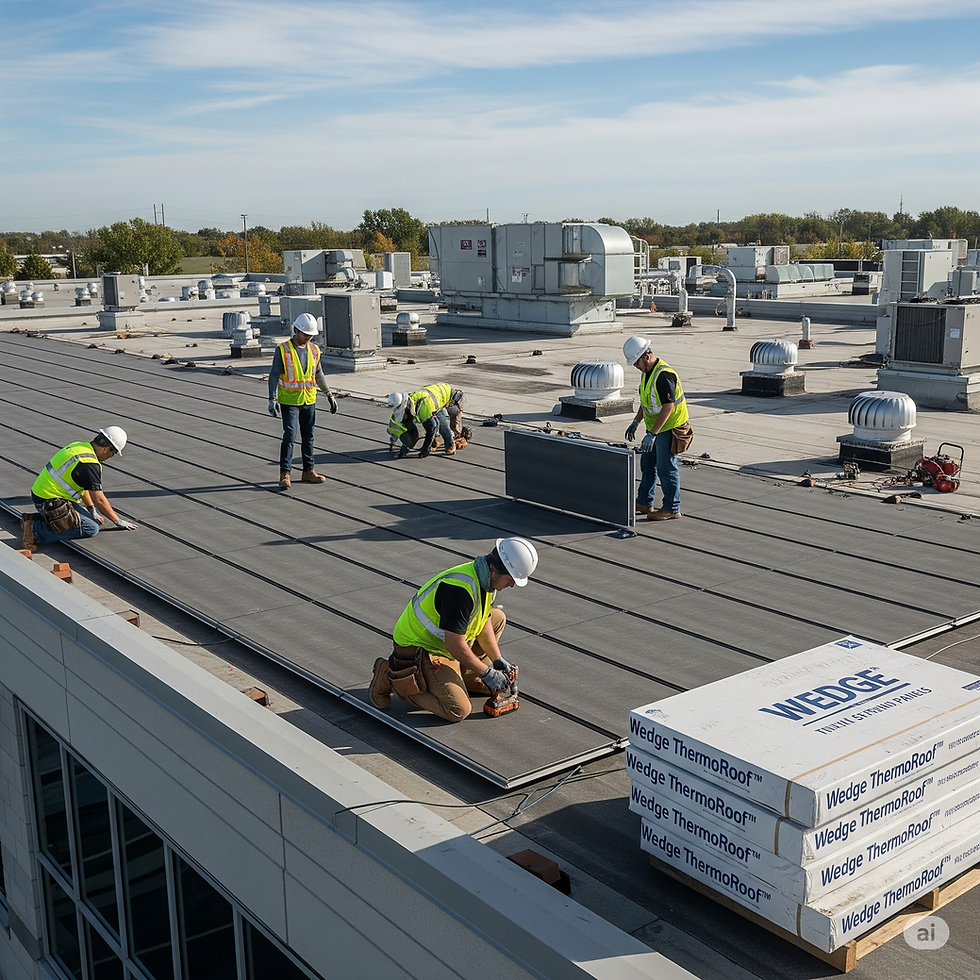
| Wedge PIR | On top / underside | High R-value, seamless, great for flat roofs |
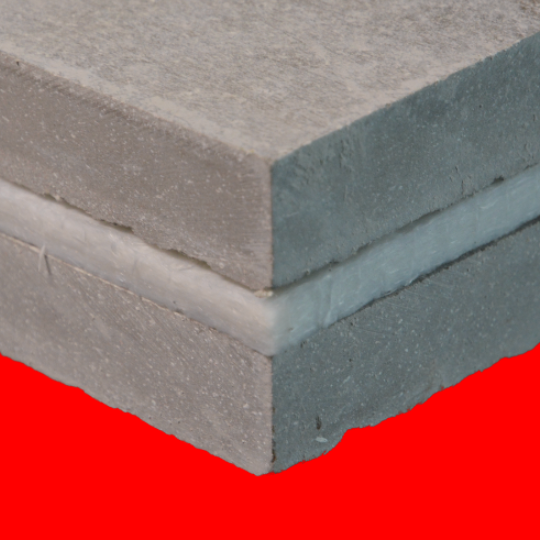
| Wedge CCXPS | On top | Rigid, water-resistant, easy to install |
| Wedge Perlite Boards | Ceiling or top | Cost-effective, moderate performance |
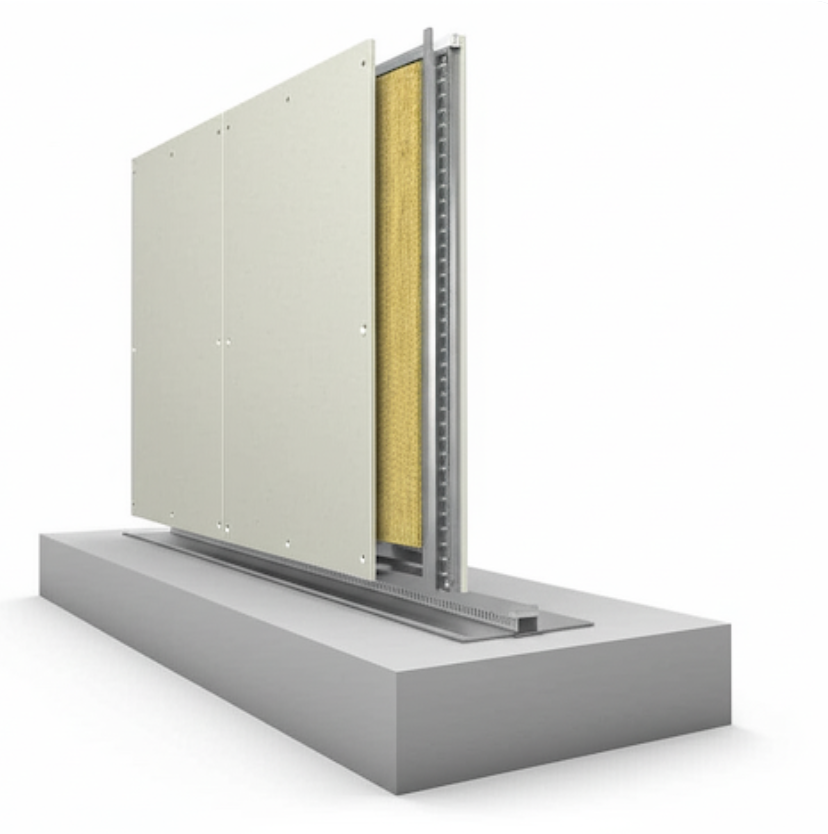
| Wedge HD MW Mineral Wool | Below roof / attic | Fireproof, soundproof, eco-friendly |
| Wedge Reflective Foil Insulation | Below roof / attic | Reflects radiant heat, best when paired with air gap |
| Wedge Roof Tiles / Aerogel Paint | Top of roof | Reflects sunlight, reduces surface temperature by 10–20°C |
Wedge India offers a comprehensive range of roof insulation solutions designed to enhance thermal efficiency, reduce energy consumption, and improve indoor comfort. Their products cater to various building types and climatic conditions, ensuring optimal performance.
Considerations for Selecting Roof Insulation:
Thermal Performance (R-Value): Higher R-values indicate better insulating properties, leading to greater energy savings.
Fire Resistance: Materials with high fire resistance enhance building safety.
Moisture Resistance: Essential for preventing mold growth and maintaining insulation effectiveness.
Environmental Impact: Opt for eco-friendly materials to reduce the building's carbon footprint.