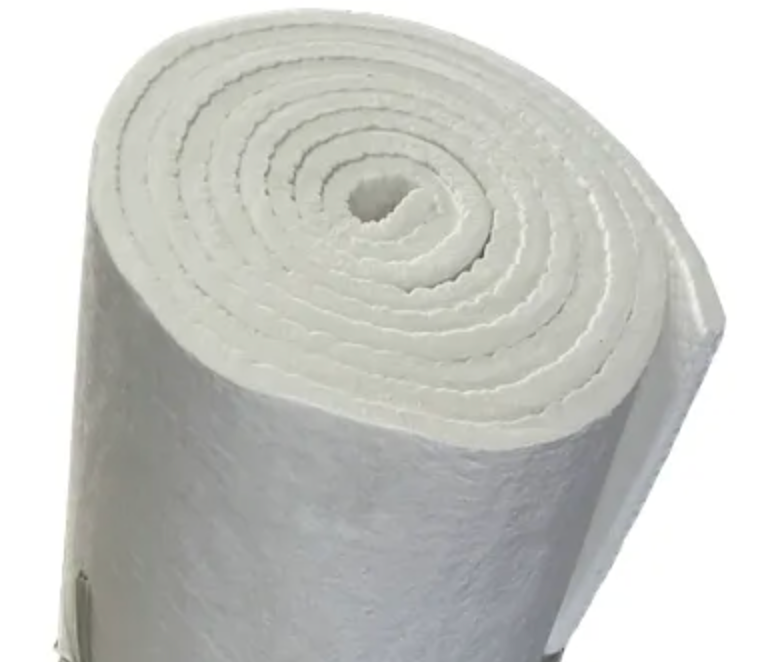
Buy good quality, high R Value, low price Rigid Foam Insulation board panel at Wedge India for walls, roofs, foundations, and floors.
Rigid foam insulation is a versatile and highly efficient insulation material used in a variety of applications, including walls, roofs, foundations, and floors. It provides excellent thermal resistance, moisture control, and structural support, making it a popular choice for both residential and commercial construction. Here’s a detailed overview of rigid foam insulation:
Types of Rigid Foam Insulation
1. Expanded Polystyrene (EPS):
• Description: EPS is a lightweight, white foam made from expanded polystyrene beads. It has a lower R-value per inch compared to other rigid foams but is cost-effective and widely used.
• R-Value: Approximately R-3.6 to R-4.2 per inch.
• Uses: Walls, roofs, and below-grade applications like foundations.
• Benefits: Affordable, good moisture resistance, and easy to work with.
2. Extruded Polystyrene (XPS):
• Description: XPS is a smooth, closed-cell foam that offers better moisture resistance and a higher R-value than EPS. It is usually blue, green, or pink in color.
• R-Value: Approximately R-5 per inch.
• Uses: Walls, foundations, roofs, and other areas requiring higher moisture resistance.
• Benefits: Higher R-value, good moisture resistance, and structural strength.
3. Polyisocyanurate (Polyiso):
• Description: Polyiso is a rigid foam with the highest R-value per inch among common rigid foams. It typically has a foil facing on both sides that acts as a radiant barrier.
• R-Value: Approximately R-6 to R-6.5 per inch.
• Uses: Walls, roofs, and ceilings, especially where high insulation value is required in limited space.
• Benefits: Highest R-value per inch, excellent thermal performance, and acts as a vapor barrier when faced.
4. Polyurethane (PUR) and Polyisocyanurate (PIR):
• Description: These foams are similar but have different chemical compositions. They offer excellent insulation performance and can be used in various applications.
• R-Value: Approximately R-6 to R-6.5 per inch.
• Uses: Walls, roofs, and specialty applications like refrigerated spaces.
• Benefits: High R-value, good moisture and vapor resistance, and can be used in high-temperature applications.
Benefits of Rigid Foam Insulation:
• High R-Value: Provides excellent thermal resistance, reducing heat loss or gain and improving energy efficiency.
• Moisture Resistance: Rigid foam is resistant to water absorption, making it ideal for areas prone to moisture, such as basements and below-grade applications.
• Structural Support: Rigid foam adds some structural strength to walls, roofs, and other assemblies.
• Easy Installation: Available in large sheets that are easy to cut and fit into various spaces.
• Versatility: Suitable for a wide range of applications, including continuous insulation on the exterior of buildings.
Applications
1. Exterior Walls:
• Used as continuous insulation to reduce thermal bridging and improve overall wall performance.
2. Foundations and Below-Grade:
• Provides insulation and moisture resistance for basements, crawl spaces, and slab-on-grade foundations.
3. Roofs:
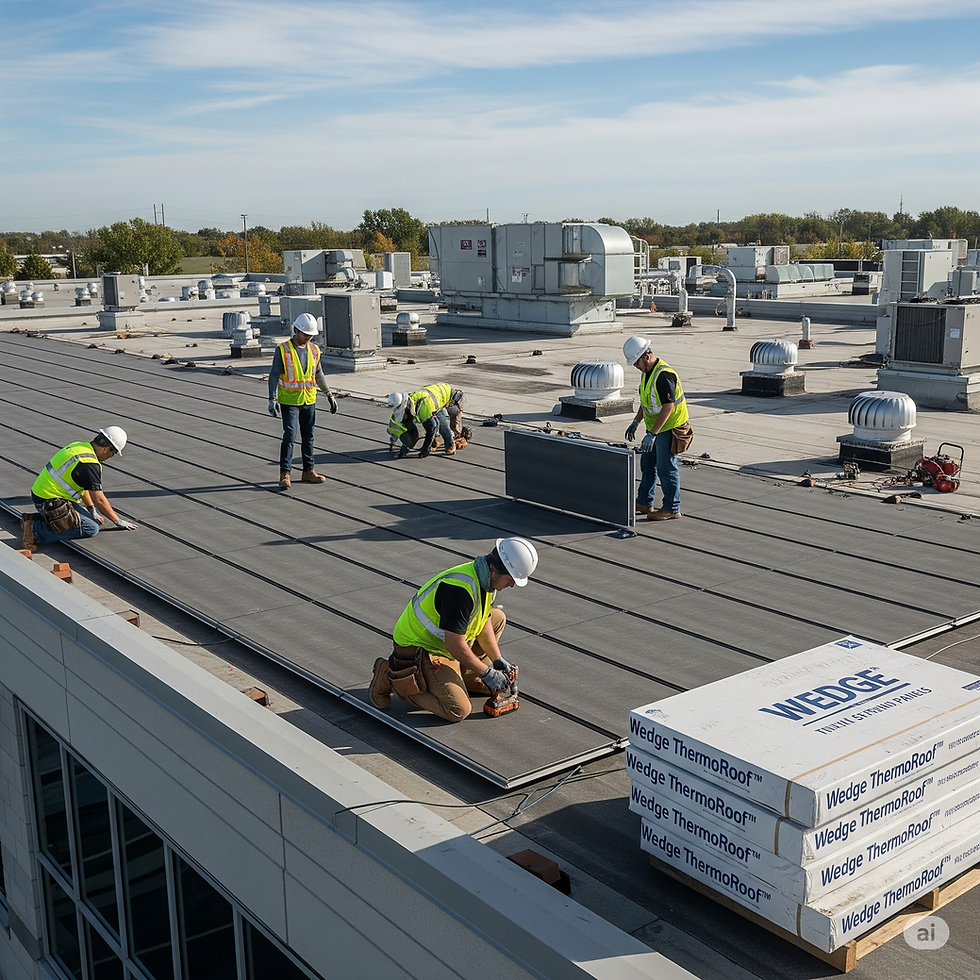
• Used in flat or sloped roofs to enhance thermal resistance and reduce energy costs.
4. Floors:
• Can be installed under floors, particularly in basements and over concrete slabs, to provide thermal insulation and moisture control.
5. Specialty Applications:
• Used in insulated concrete forms (ICFs), structural insulated panels (SIPs), and other advanced building technologies.
Installation Tips
• Seal Joints: Use tape or foam sealant to seal joints between foam boards to prevent air and moisture infiltration.
• Fastening: Secure rigid foam boards with appropriate fasteners or adhesives, depending on the substrate.
• Vapor Barrier: Depending on the foam type and application, additional vapor barriers may or may not be necessary.
• Fire Protection: Rigid foam insulation must be covered with a thermal barrier like drywall when installed in living spaces, as it can be flammable.
Rigid foam insulation is an effective solution for enhancing the energy efficiency and durability of buildings. If you need specific recommendations on brands or further installation guidance, let me know!