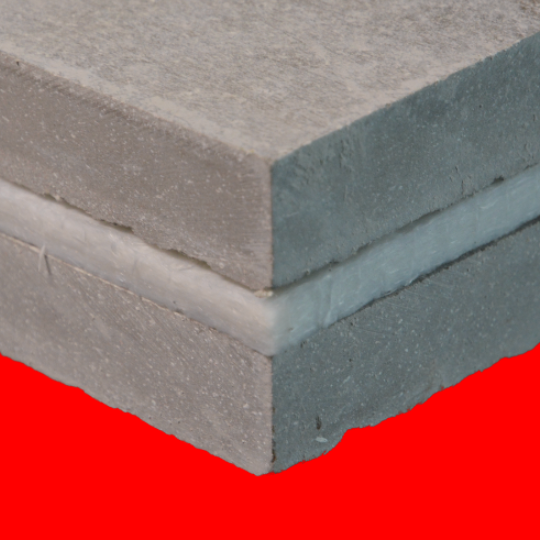
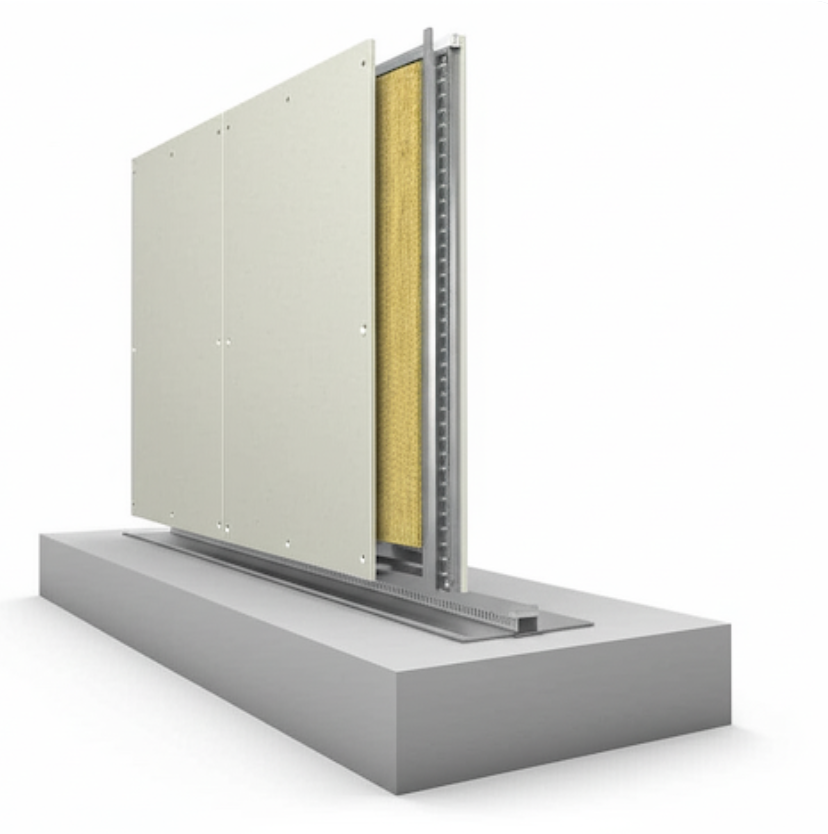
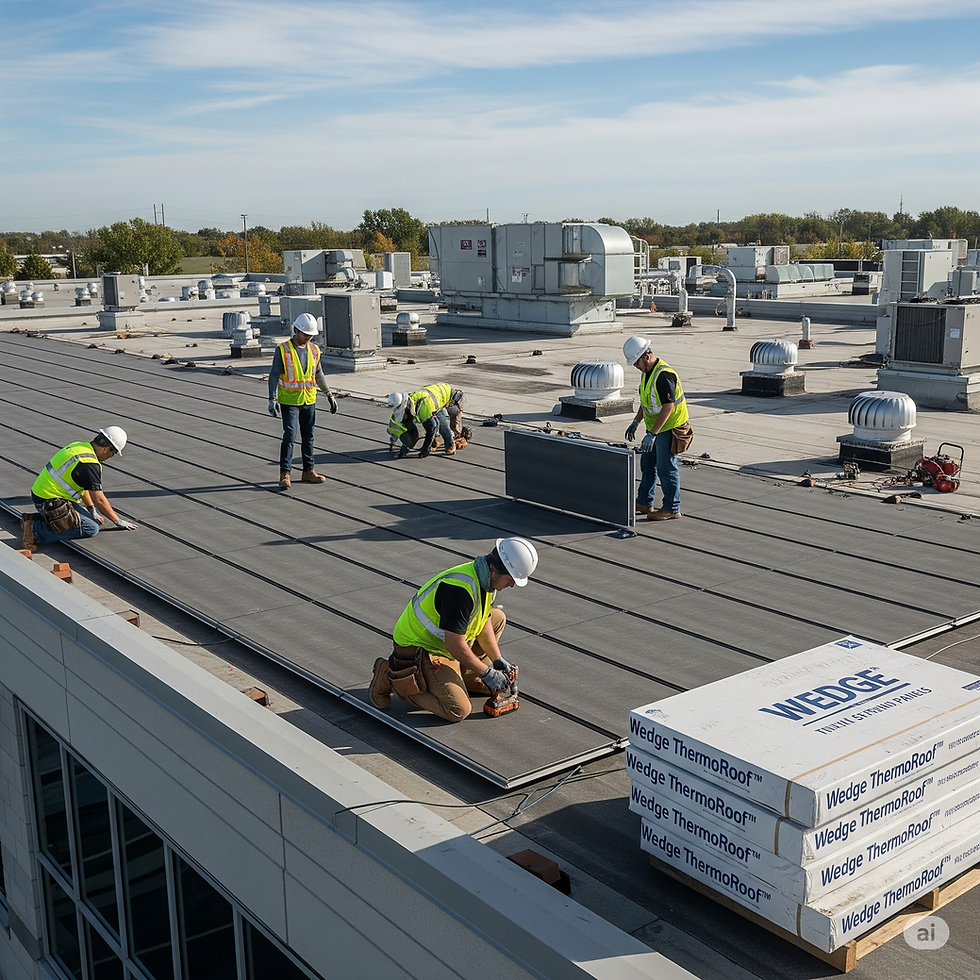
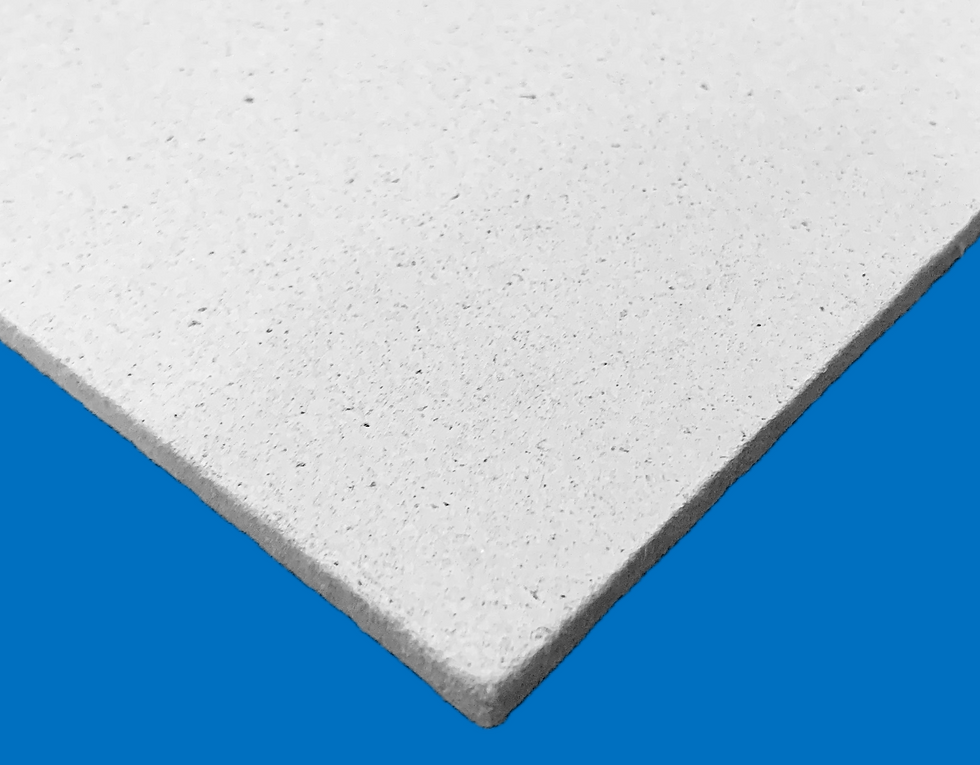
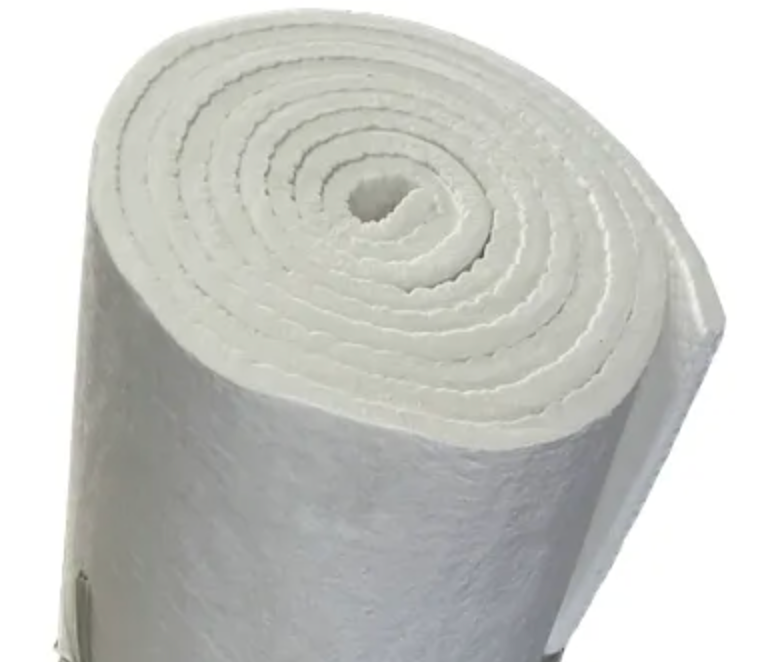
Get R30 Insulation Thickness Calculation and comparison sheet to find and select most suitable insulation materials for your use. Heat Insulation made of Fire Resistant Insulation Inorganic Mineral Fibers at Wedge India for walls, roofs, tank, foundations, floors cold and hot insulation.
To calculate the required insulation thickness for a specific application, you need to consider several factors, including the desired temperature change, thermal conductivity of the material, heat loss or gain allowed, and the surface area. Below is the general process and formula for calculating the thickness of insulation:
Key Factors
Thermal conductivity (k-value): The material’s ability to conduct heat, typically measured in W/m·K.
Surface area (A): The area to be insulated, usually in square meters (m²).
Temperature difference (ΔT): The difference between the internal and external temperatures, measured in °C or K.
Heat transfer rate (Q): The amount of heat to be transferred or the allowable heat loss, measured in watts (W).
Additional Considerations
1. Safety Factor: Sometimes, an additional safety factor is applied, especially in cases where the heat transfer needs to be minimized further.
2. Thermal Resistance (R-value): If you know the desired R-value (thermal resistance) for a particular insulation system, you can calculate the required thickness by dividing the R-value by the thermal resistance per inch of the material.
3. Cylindrical Surfaces: For cylindrical surfaces like pipes, the formula is slightly modified to account for the shape.
R30 Insulation Thickness Comparison
R-30 insulation refers to insulation material that has a thermal resistance value (R-value) of 30. The R-value is a measure of the material’s ability to resist the transfer of heat. A higher R-value means better insulation and greater resistance to heat flow.
| Insulation Material | R-30 Insulation Thickness, mm |
| Aerogel | 50 |
| Closed-Cell Spray Polyurethane Foam (SPF) | 120 |
| Polyisocyanurate (PIR) | 130 |
| Extruded Polystyrene (XPS) | 160 |
| Expanded Polystyrene (EPS) | 200 |
| Wood Fiber | 200 |
| Open-Cell Spray Polyurethane Foam (SPF) | 220 |
| Cellulose | 220 |
| Calcium Silicate | 220 |
| Mineral Wool | 225 |
| Cotton (Denim) | 225 |
| Sheep’s Wool | 225 |
| Cork | 230 |
| Fiberglass | 245 |
| Vermiculite and Perlite | 250 |
| Straw Bale | 550 |
Would you like to work through a specific insulation thickness calculation based on your scenario?