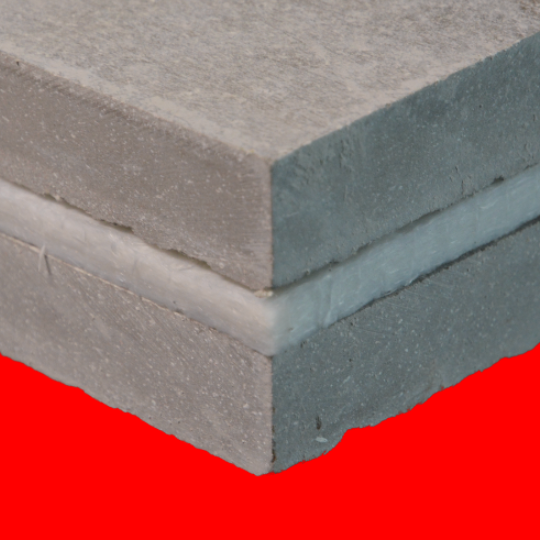
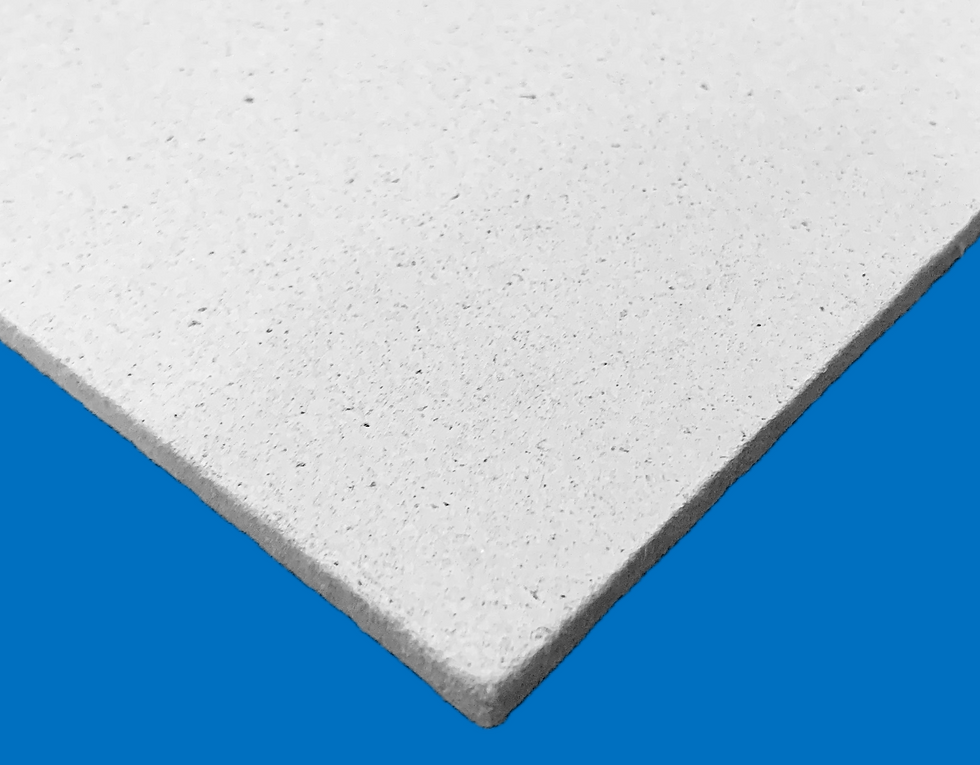
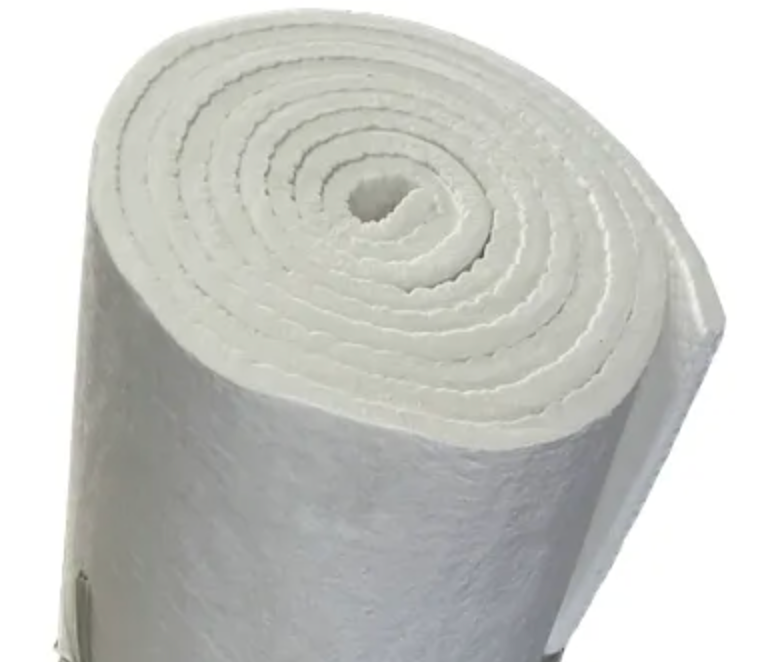
Buy good quality Insulation Board at low price manufactured by Wedge India for all types applications. Insulation board is a material used to reduce the transfer of heat, sound, or electricity from one area to another.
Insulation boards, also known as rigid insulation boards, are a type of insulation material used to enhance the energy efficiency and thermal performance of buildings. These boards are available in various types, each with unique properties and applications. Here’s a detailed overview of insulation boards:
Types of Insulation Boards
Polystyrene (PS) Boards:
Expanded Polystyrene (EPS):
Properties: Lightweight, low density, and typically white in color.
R-Value: Around R-3.6 to R-4 per inch.
Applications: Suitable for wall cavities, roofs, and under concrete slabs.
Extruded Polystyrene (XPS):
Properties: More durable and moisture-resistant than EPS, usually blue, green, or pink in color.
R-Value: Around R-5 per inch.
Applications: Used in foundations, basement walls, and as continuous insulation on exterior walls.
Polyisocyanurate (Polyiso) Boards:
Properties: High R-value, often comes with foil facing that acts as a radiant barrier.
R-Value: Around R-6 to R-7.5 per inch.
Applications: Ideal for roofs and wall sheathing where maximum thermal resistance is needed within limited space.
Polyurethane (PUR) Boards:
Properties: High R-value, durable, and provides excellent thermal insulation.
R-Value: Around R-6 to R-7 per inch.
Applications: Used in walls, roofs, and floors, similar to polyiso boards.
Benefits of Insulation Boards
High Thermal Resistance:
Energy Efficiency: High R-values per inch help to significantly reduce heat transfer, improving the overall energy efficiency of buildings.
Cost Savings: Lower energy consumption results in reduced heating and cooling costs.
Moisture Resistance:
Durability: Many insulation boards, especially XPS and Polyiso, are resistant to moisture, making them suitable for below-grade applications and areas prone to dampness.
Mold Prevention: Reduced moisture absorption helps prevent mold and mildew growth.
Structural Support:
Rigidity: Adds structural integrity to walls, roofs, and other building components.
Ease of Installation:
Lightweight: Easy to handle and cut to fit specific areas.
Versatile: Can be used in a variety of applications, including walls, roofs, floors, and foundations.
Applications of Insulation Boards
Exterior Walls:
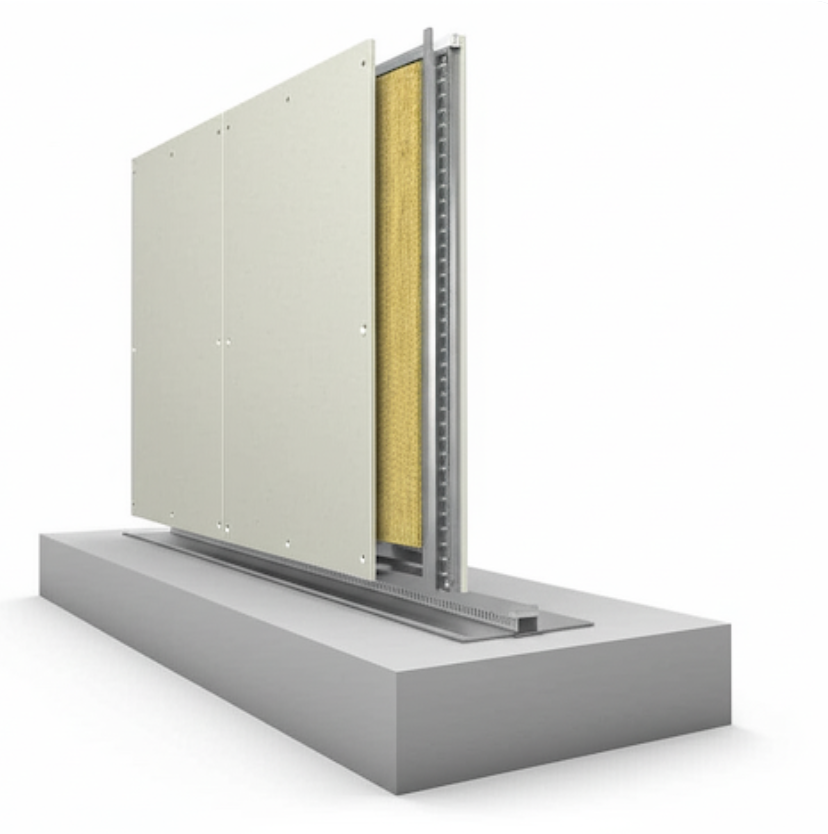
- Continuous Insulation: Installed over the exterior sheathing to create a continuous layer of insulation, reducing thermal bridging and improving energy efficiency.
Roofs:
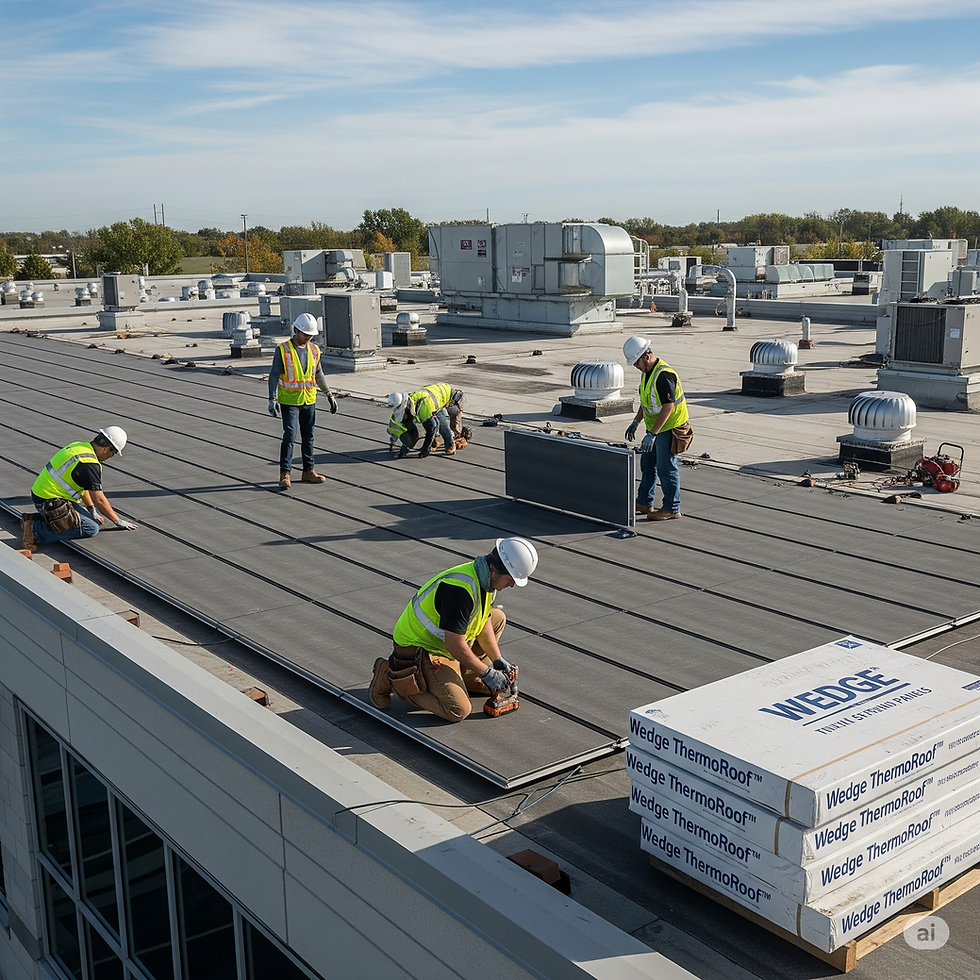
- Flat and Low-Slope Roofs: Commonly used in commercial and residential roofing systems to provide high thermal resistance and moisture protection.
Floors and Foundations:
- Under Slab Insulation: Prevents heat loss through concrete slabs in basements and ground floors.
- Foundation Walls: Insulates basement and crawl space walls, improving energy efficiency and moisture control.
Interior Applications:
- Interior Walls and Ceilings: Used in partition walls and ceilings to improve insulation and soundproofing.
Insulation boards are a highly effective and versatile solution for enhancing the thermal performance and energy efficiency of buildings. With high R-values, moisture resistance, and ease of installation, they are suitable for a wide range of applications, including walls, roofs, floors, and foundations. Proper installation and maintenance are essential to maximize their benefits and ensure long-term performance.