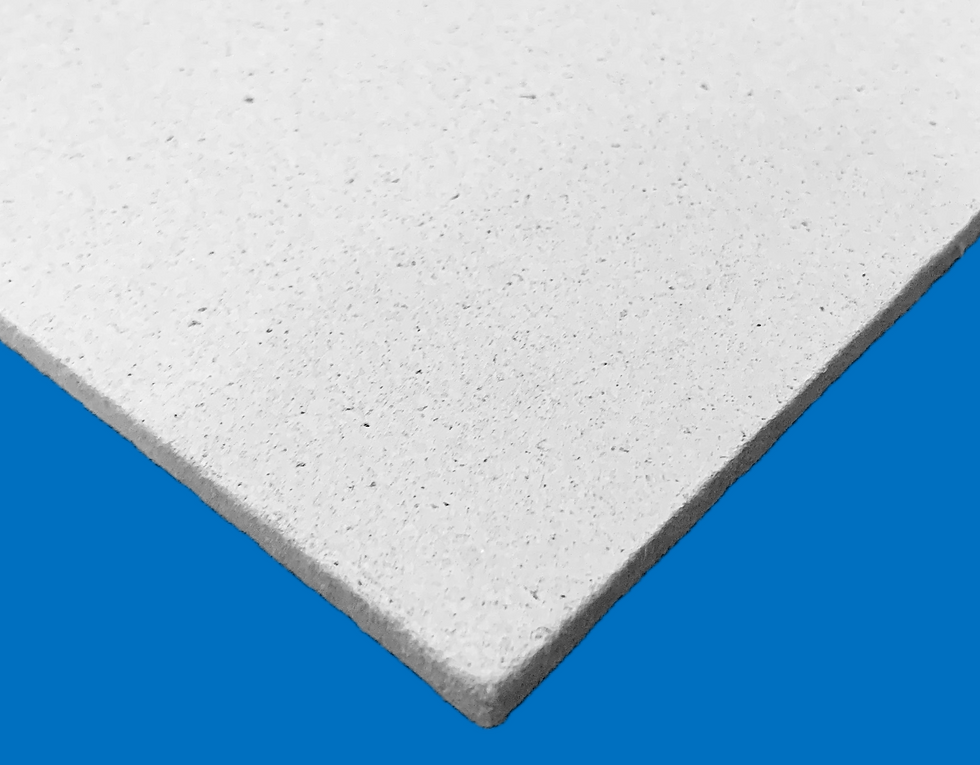
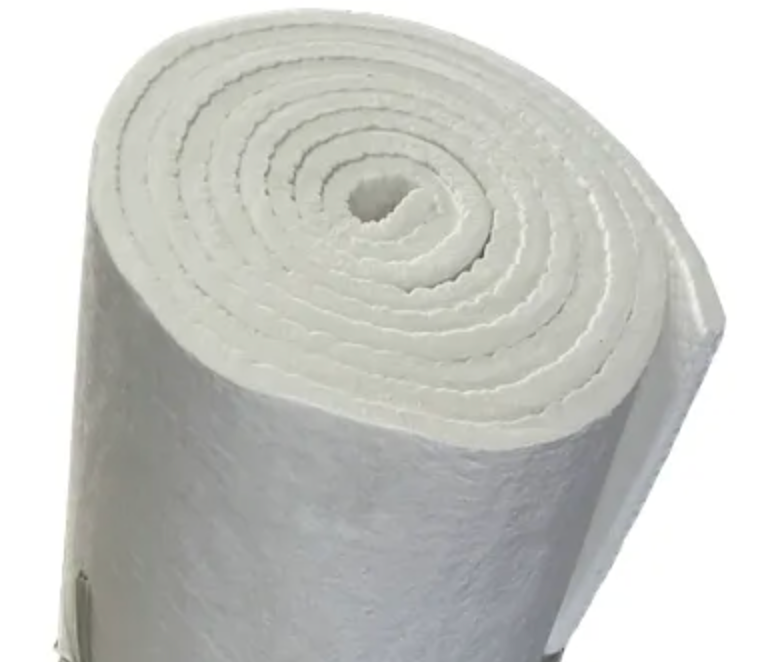
Buy good quality, high R Value, low price Expanded Polystyrene EPS Insulation boards at Wedge India.
Expanded Polystyrene (EPS) insulation is a versatile and widely used insulating material in the construction industry, known for its excellent thermal insulation properties, lightweight nature, and cost-effectiveness. Here’s an overview of EPS insulation, including its properties, benefits, applications, and considerations:
What is Expanded Polystyrene (EPS) Insulation?
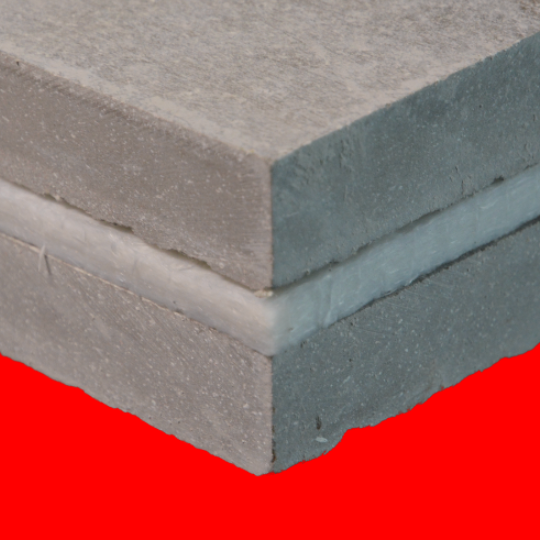
EPS insulation is made from polystyrene beads that are expanded and fused together using steam and pressure, creating a rigid, closed-cell foam structure filled with air pockets. These air pockets provide excellent thermal resistance, making EPS a popular choice for a wide range of insulation applications.
Key Properties of EPS Insulation
1. Thermal Performance: EPS provides a good R-value, typically ranging from R-3.6 to R-4.2 per inch of thickness. This helps in reducing heat transfer, improving energy efficiency, and maintaining comfortable indoor temperatures.
2. Lightweight: EPS is exceptionally lightweight, which makes it easy to handle, transport, and install, reducing labor costs and construction time.
3. Moisture Resistance: EPS has good moisture resistance, though it is not completely waterproof. It can be used in areas exposed to humidity but may require additional moisture barriers in very wet conditions.
4. Durability: EPS insulation is durable and maintains its performance over time without significant degradation. It is resistant to mold, mildew, and pests.
5. Recyclability: EPS is recyclable and can be reused in new insulation products or other applications, contributing to environmental sustainability.
6. Fire Resistance: Standard EPS is flammable; however, fire-retardant additives can be used to enhance its fire resistance, making it safer for building applications.
Applications of EPS Insulation
1. Building Insulation:
• Walls: Used in both external and internal wall systems, including Exterior Insulation and Finish Systems (EIFS) and insulated concrete forms (ICFs).
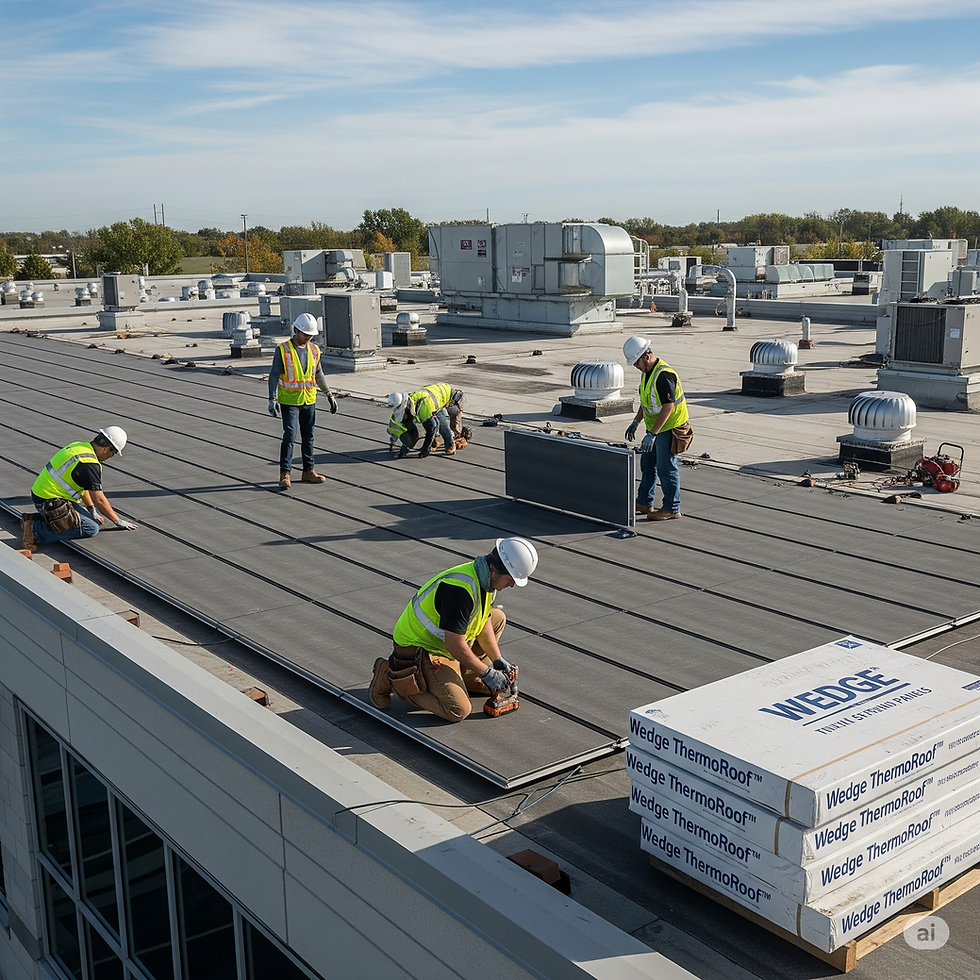
• Roofs: Applied in flat and pitched roofs, under roofing membranes, or as part of prefabricated insulated panels.
• Floors: Commonly installed in floors, especially in slabs and underfloor heating systems, to provide thermal insulation.
2. Insulated Panels and Boards:
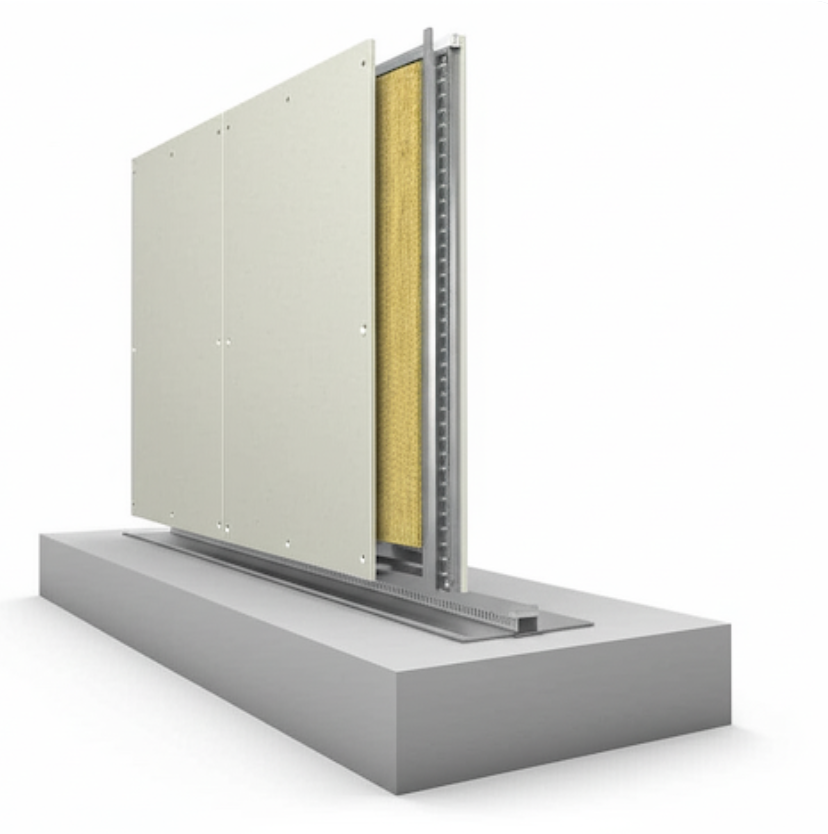
• Used in structural insulated panels (SIPs), sandwich panels, and other prefabricated building components that require both structural integrity and insulation.
3. Cold Storage and Refrigeration:
• EPS is used in cold rooms, refrigerated transport vehicles, and other applications where maintaining low temperatures is critical.
4. Geofoam:
• EPS is used in civil engineering projects for soil stabilization, road embankments, and lightweight fill applications, reducing loads on underlying structures.
5. Packaging:
• While not related to building insulation, EPS is also widely used in packaging for its protective and insulating properties.
Benefits of EPS Insulation
• Energy Efficiency: Reduces heating and cooling costs by improving thermal performance.
• Cost-Effective: Provides good insulation performance at a lower cost compared to some other insulation materials.
• Versatility: Suitable for a wide range of applications in residential, commercial, and industrial settings.
• Easy Installation: Can be easily cut, shaped, and fitted into various building components.
Considerations
• Fire Safety: EPS should be treated with fire retardants for safe use in building applications. It is important to follow local building codes and regulations regarding fire safety.
• Moisture Protection: In areas with high moisture exposure, EPS should be used with appropriate moisture barriers to maintain its insulation properties.
• Lower R-Value per Inch: Compared to some other foam insulations like Extruded Polystyrene (XPS) and Polyisocyanurate, EPS has a slightly lower R-value per inch but remains a cost-effective choice.
EPS insulation is a reliable and effective solution for enhancing the thermal performance of buildings, contributing to energy savings and environmental sustainability. If you need specific details or guidance on EPS insulation for a particular application, feel free to ask!