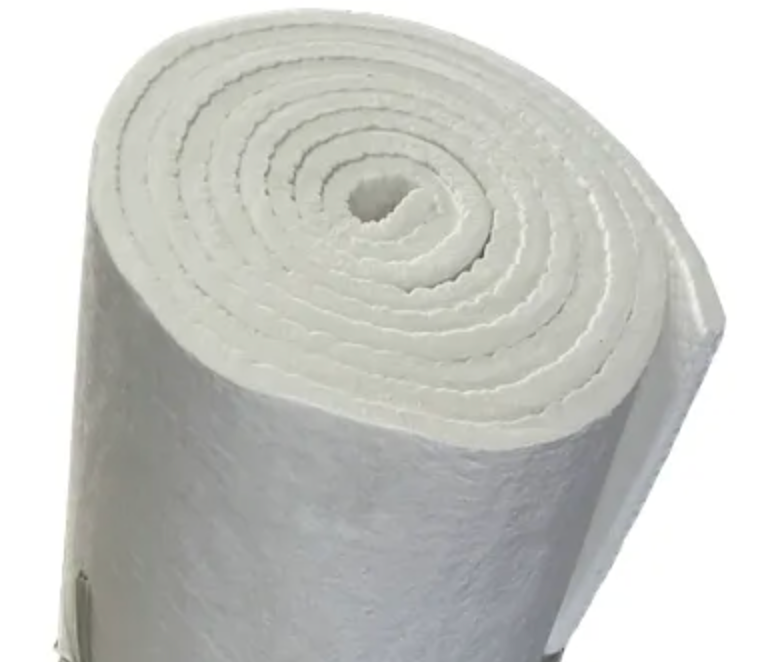
Buy good quality high R Value low price Container Insulation materials made of Fire Resistant Insulation Inorganic Mineral Fibers at Wedge India for cold and hot insulation.
Insulating containers, whether for shipping, storage, or habitation (like shipping container homes), is essential for controlling temperature, preventing condensation, and enhancing energy efficiency. The right insulation method depends on the container’s use, location, and the desired level of thermal and moisture control. Here’s an overview of various insulation options for containers:
Types of Container Insulation
1. Spray Foam Insulation
• Properties: Spray foam insulation is applied directly onto the container’s interior surfaces, expanding and hardening to create an airtight seal. It provides excellent thermal insulation and seals gaps, preventing air and moisture infiltration.
• R-Value: High R-value per inch, typically around R-6 to R-7.
• Benefits: Offers the best thermal insulation, moisture barrier, and soundproofing; ideal for extreme temperatures.
• Drawbacks: Can be more expensive; professional installation is recommended for best results.
2. Rigid Foam Panels (Polystyrene, Polyisocyanurate)
• Properties: Rigid foam panels are available in different thicknesses and can be cut to fit walls, ceilings, and floors. They provide good thermal insulation and are relatively easy to install.
• R-Value: Varies by type, usually between R-3.5 to R-6.5 per inch.
• Benefits: Cost-effective, easy to handle and install; good moisture resistance, especially with polyisocyanurate.
• Drawbacks: Gaps between panels can reduce efficiency; requires sealing or taping seams to maintain a vapor barrier.
3. Fiberglass Insulation
• Properties: Fiberglass insulation is made from glass fibers and is typically installed in batt or roll form. It is a common and affordable option for insulation.
• R-Value: Generally about R-2.9 to R-3.8 per inch.
• Benefits: Affordable, widely available, and easy to install in framed sections of the container.
• Drawbacks: Not moisture-resistant, requires a vapor barrier; less effective in extreme temperatures and can sag or settle over time.
4. Mineral Wool (Rock Wool) Insulation
• Properties: Mineral wool is made from natural stone fibers and is resistant to fire, water, and mold. It is available in batts or rigid boards.
• R-Value: Around R-3.0 to R-4.2 per inch.
• Benefits: Provides good thermal and sound insulation, excellent fire resistance, and does not absorb water.
• Drawbacks: More expensive than fiberglass; requires framing for installation.
5. Reflective or Radiant Barriers (Foil Insulation)
• Properties: Reflective insulation uses layers of reflective material (like aluminum foil) with air pockets or foam core to reflect radiant heat.
• R-Value: Depends on installation and surrounding air space; effectiveness varies with climate.
• Benefits: Effective in hot climates by reflecting heat; lightweight and easy to install.
• Drawbacks: Less effective in cold climates; needs proper spacing and air gaps to work efficiently.
6. Cork Insulation
• Properties: Cork is a natural, sustainable material with good thermal and acoustic properties. It can be used as panels or spray-applied.
• R-Value: Around R-3.6 per inch.
• Benefits: Eco-friendly, mold-resistant, and provides soundproofing; good for moderate climates.
• Drawbacks: More expensive than synthetic options; limited availability.
7. Blanket or Roll Insulation (Recycled Cotton, Denim)
• Properties: Made from recycled materials like cotton or denim, these insulations are eco-friendly and provide decent thermal performance.
• R-Value: Typically around R-3.5 per inch.
• Benefits: Sustainable, easy to handle, and non-irritating; good sound absorption.
• Drawbacks: Needs a vapor barrier; less effective against moisture.
Key Considerations for Container Insulation
• Climate and Temperature Extremes: Choose insulation that matches your climate; higher R-values for extreme temperatures.
• Moisture and Condensation Control: Ensure the chosen insulation method includes a moisture barrier or vapor control to prevent rust and mold inside the container.
• Ease of Installation: Some materials require professional installation (e.g., spray foam), while others can be DIY (e.g., foam panels).
• Space Constraints: Consider the thickness of the insulation relative to the interior space; higher R-value materials in thinner profiles are preferable for space efficiency.
• Fire Safety: Check the fire ratings of insulation materials, especially for residential or commercial container conversions.
Choosing the right insulation for your container depends on its intended use, your budget, and the specific environmental challenges of your location. Let us know if you need more tailored advice or details on installation techniques!